Summary
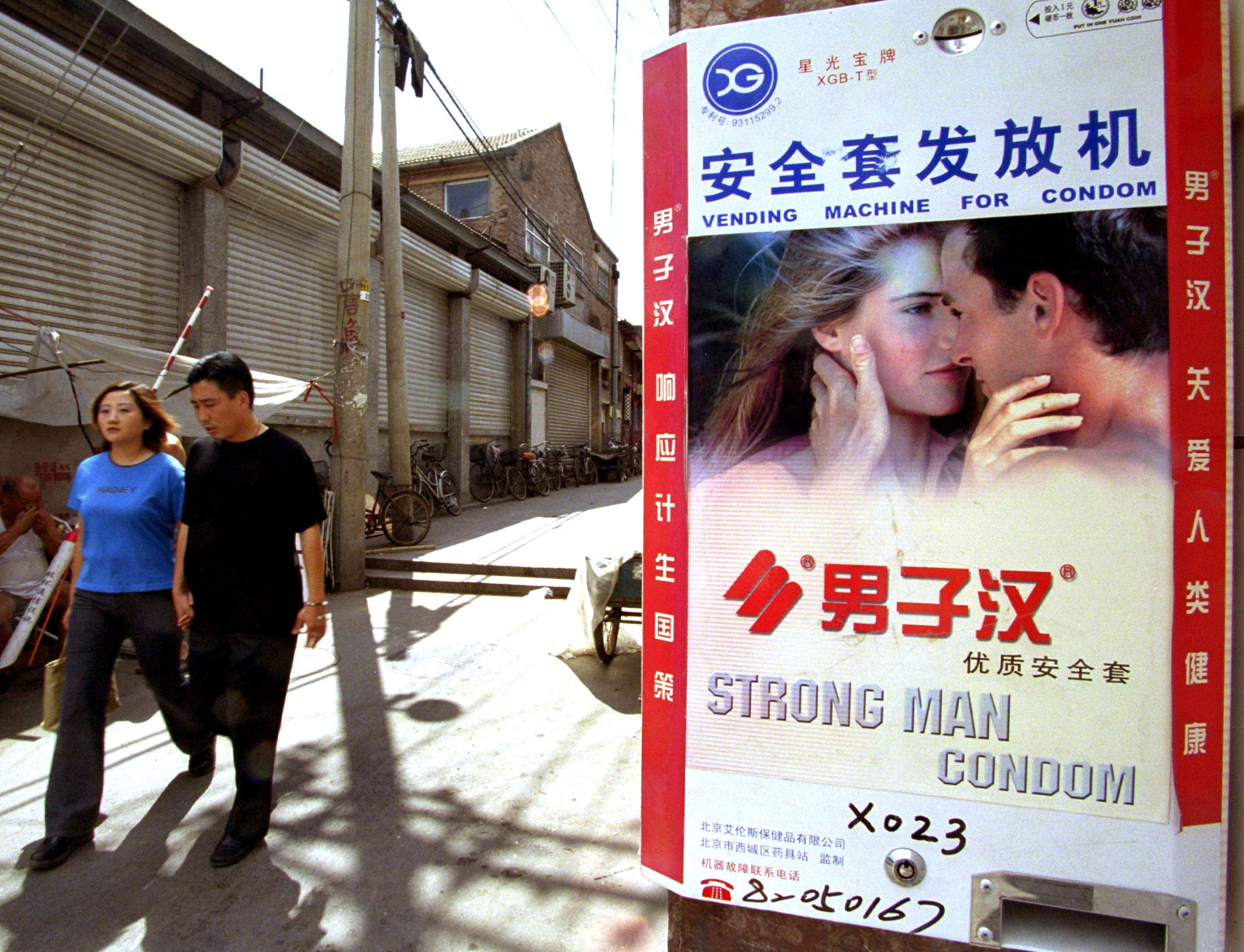
China's government will start charging a 13% tax on contraceptives, including condoms, to encourage more births and address its declining population. These items had been tax-free since 1993. The policy change is part of broader efforts to boost population growth in China.
Key Facts
- China will impose a 13% value-added tax (VAT) on contraceptives starting January 1, 2026.
- The tax applies to contraceptive drugs and devices, including condoms.
- This move aims to reverse China's declining birth rates, which have been falling for three years.
- China had 9.54 million births in 2024, down from 18.8 million a decade ago.
- The VAT on contraceptives is part of wider policies to combat population decline, including better childcare services and parental leave.
- The tax exemption for these items was in place since 1993, when China promoted birth control under the one-child policy.
- Some people worry the tax might increase sexually transmitted diseases and affect views on having children.
- Raising a child in China until age 18 costs about 538,000 yuan ($76,000), which could be challenging for young adults given economic uncertainties.