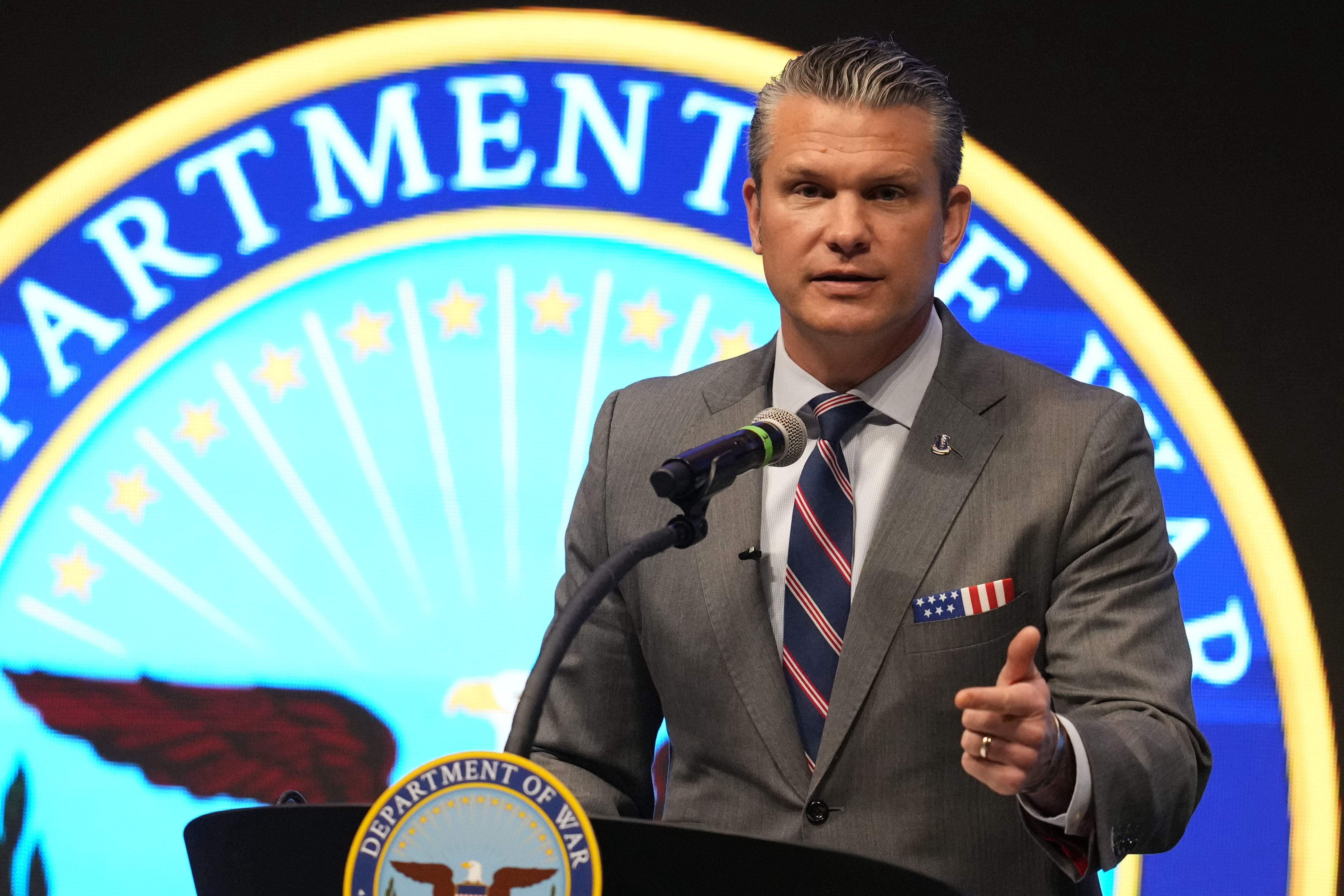
Summary
The article discusses criticisms directed at Secretary of War Pete Hegseth for a precision military strike on a vessel suspected of carrying narco-terrorists in the Caribbean. Critics label Hegseth a "war criminal," but the article argues the president has the authority to protect the nation from threats under the U.S. Constitution.
Key Facts
- The article involves criticism of Secretary of War Pete Hegseth for authorizing a military strike.
- The strike targeted a boat involved in smuggling operations allegedly linked to narco-terrorists.
- Critics label this action as making Hegseth a "war criminal."
- The strike was part of ongoing operations against drug cartels in the Caribbean.
- The president has constitutional powers to repel threats without prior congressional approval.
- The U.S. Supreme Court has confirmed the president's powers to act swiftly in matters of national security.
- The article references historical debates about executive power in national defense.
- It suggests that critics are applying a double standard in their response to military actions depending on the political context.