Summary
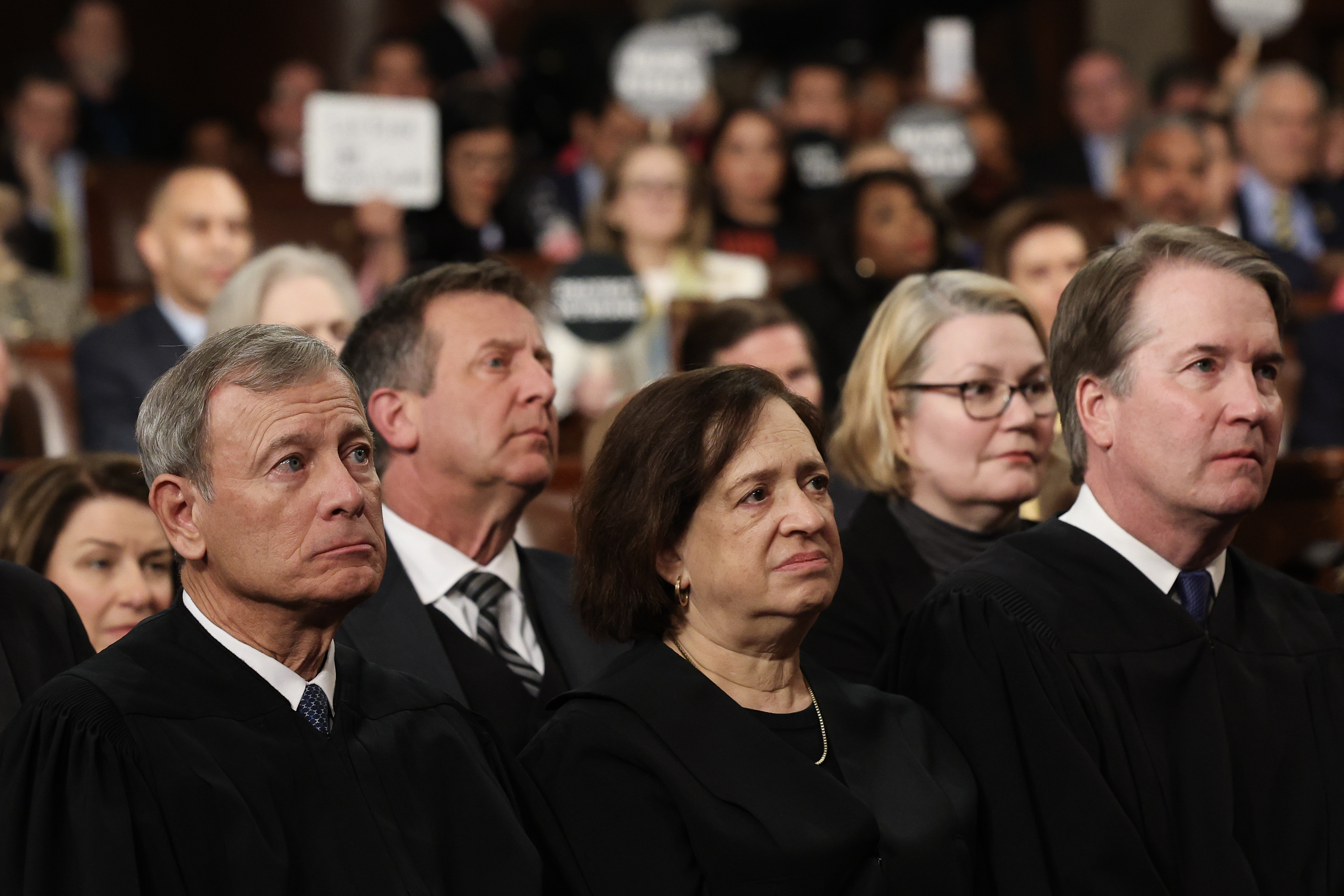
The U.S. Supreme Court decided to temporarily block a lower court's ruling against Texas's new voting map, which opponents say violates voter rights. Justice Elena Kagan warned that the decision could lead to a constitutional violation by affecting voter rights based on race. The map will remain as planned, potentially helping Republicans in upcoming elections.
Key Facts
- The Supreme Court issued a decision to freeze a lower court ruling against Texas's proposed redistricting map.
- Justice Elena Kagan voiced concern that the decision could violate the Constitution by placing voters in districts based on race.
- The map is believed to aid Republicans in gaining additional seats in the House of Representatives.
- Opponents argue the map may violate the federal Voting Rights Act by reducing minority voter representation.
- Texas's decision was challenged for potentially having a racial impact on voter district placements.
- The ruling did not decide on the overall legality of the redistricting map.
- Supporters say the map adds new Hispanic-majority and Black-majority districts, but critics claim these are not significant.
- Texas Republican Attorney General Ken Paxton celebrated the decision as a political win for conservatives in Texas.