Summary
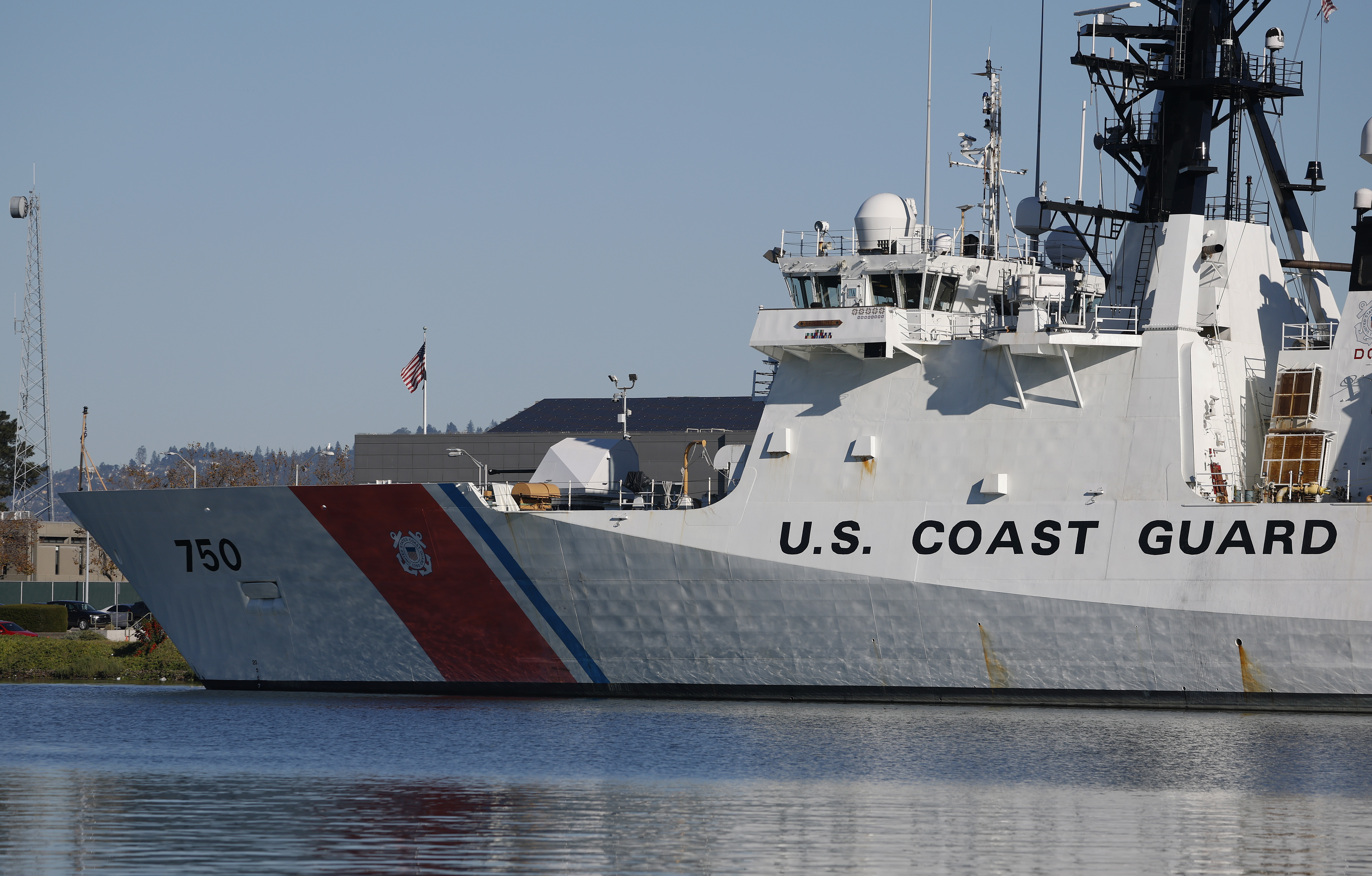
The U.S. Coast Guard intercepted a boat carrying over 20,000 pounds of cocaine in the Eastern Pacific, marking its largest drug seizure by a national security cutter. The operation, part of Operation Pacific Viper, involved the use of military force, including a sniper, to stop the drug boat. This operation raises questions about the legal and ethical implications of using force in such situations.
Key Facts
- The U.S. Coast Guard seized more than 20,000 pounds of cocaine from a high-speed boat in the Eastern Pacific.
- A sniper from the Coast Guard's Helicopter Interdiction Tactical Squadron was involved in disabling the drug boat.
- The operation was part of Operation Pacific Viper, a joint effort between the Coast Guard and Navy.
- Go-fast boats are used to quickly transport drugs and evade capture.
- Since the start of Operation Pacific Viper, authorities have seized around 100,000 pounds of cocaine.
- In fiscal year 2025, the Coast Guard reported a record seizure of nearly 510,000 pounds of cocaine.
- Some U.S. lawmakers have questioned the legality of military strikes against drug boats.
- The U.S. military reported that strikes on drug boats in the Eastern Pacific have led to several deaths and ongoing legal concerns.