Summary
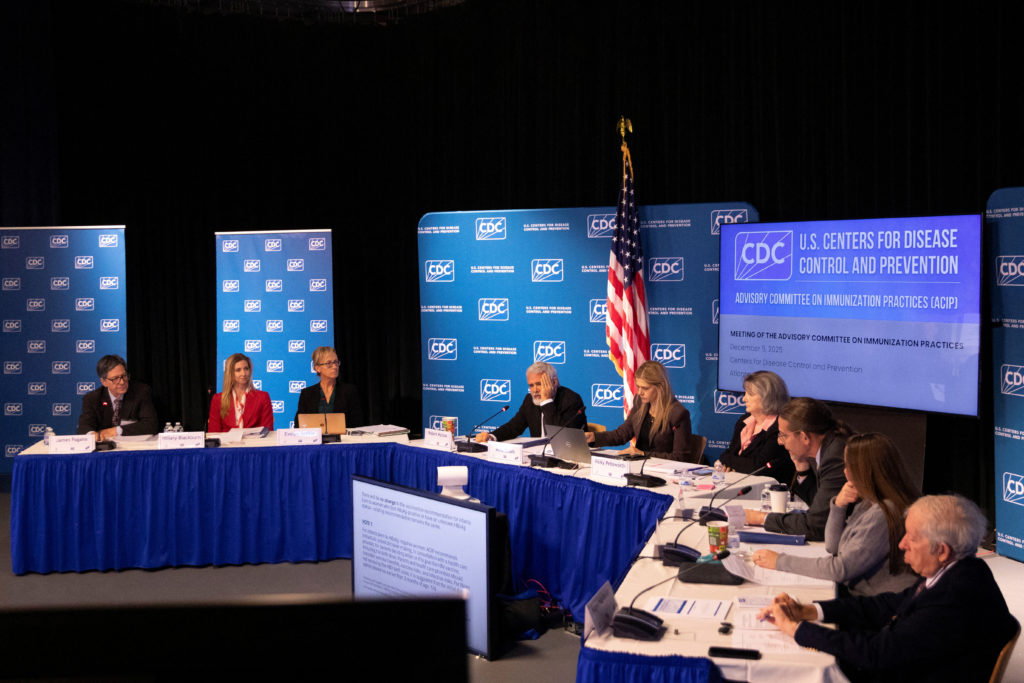
The CDC's Advisory Committee on Immunization Practices voted to change the guidance for the hepatitis B vaccine for newborns, recommending that it be discussed with doctors if the mother tests negative. This policy shift replaces the long-standing recommendation that all newborns receive the vaccine at birth.
Key Facts
- Since 1991, the CDC recommended hepatitis B vaccination for all newborns at birth.
- A CDC panel voted on December 5 to change this guideline for babies born to mothers who test negative for the virus.
- The new recommendation suggests discussing the vaccine with healthcare providers instead.
- If not given at birth, the vaccine's first dose should not be given before the baby is two months old.
- The panel is appointed by Health and Human Services Secretary Robert F. Kennedy, Jr.
- Hepatitis B can be transmitted through bodily fluids and can live on surfaces for up to a week.
- The hepatitis B vaccine has helped reduce infection rates dramatically since its introduction.
- Infants with hepatitis B have a high risk of developing severe chronic disease and related health issues like liver cancer.