Summary
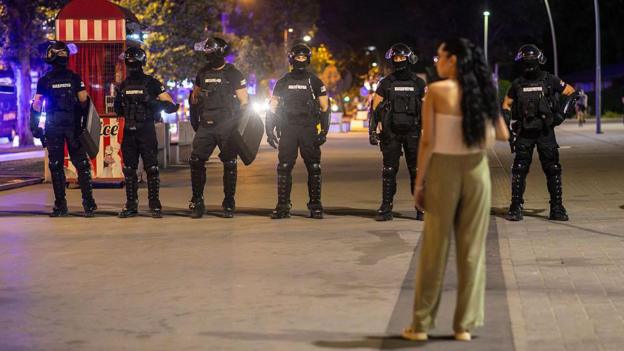
Protests in Serbia have been ongoing for nine months, originally sparked by a tragic railway station collapse. The protesters, initially led by students, are now using roadblocks instead of rallies to demand new elections. Recent clashes with police and the arrest of students have drawn criticism from several groups, including journalists, the Bar Association, the Serbian Orthodox Church, and the EU.
Key Facts
- Protests began after a railway station canopy collapsed in Novi Sad, killing 16 people.
- The protesters are demanding accountability and transparency regarding this incident.
- Initially led by university students, the protest movement has shifted to include broader groups and new tactics.
- Students and citizens have set up roadblocks in major cities using objects like dustbins and chairs.
- Police have arrested dozens of people, leading to allegations of excessive force.
- Criticism of the police actions has come from journalists, the opposition, legal associations, and the EU.
- The protests intensified after the government did not call for new elections by the protesters' deadline.
- Despite months of protests, there has been little change in government leadership, with resignees replaced by similar appointees.