Summary
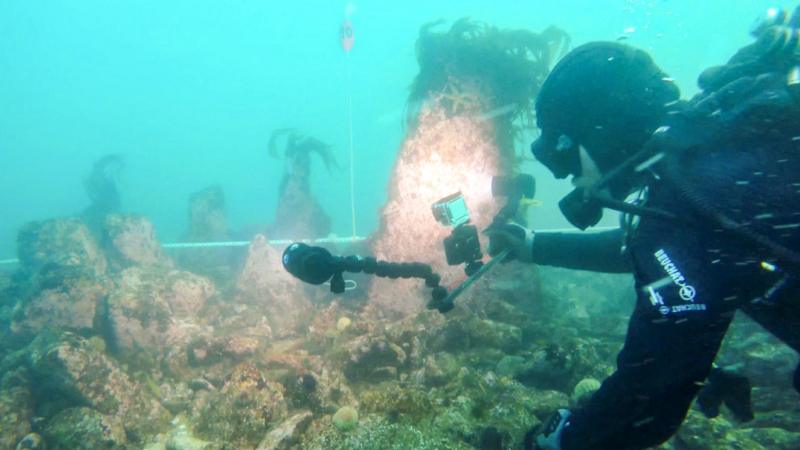
French marine archaeologists have found a large undersea wall off the coast of Brittany, France, dating back to 5,000 BC. They believe it was built by a stone age society as a fish-trap or a barrier against rising sea levels. This wall, now submerged, is linked to local myths of a sunken city.
Key Facts
- The undersea wall is located off the coast of Brittany, France.
- It dates back to around 5,000 BC.
- The wall is 120 meters long and was likely used as a fish-trap or a dyke.
- Today, the wall lies nine meters underwater due to changes in the coastline over time.
- The structure was built by a possibly settled, structured community.
- The wall is made from large granite standing stones and smaller stones.
- Local geologist Yves Fouquet discovered the wall using undersea depth charts.
- This discovery may explain Breton legends of a submerged city.