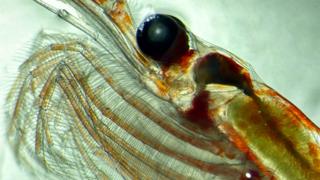
Tiny creatures gorge, get fat, and help fight global warming
Summary
Tiny sea animals called zooplankton help reduce global warming by storing carbon in the ocean. They eat a lot in spring, become fat, and then sink to the deep ocean where they burn this fat, storing carbon that would otherwise warm the atmosphere.Key Facts
- Zooplankton are small animals often used as aquarium food.
- They eat a lot in spring and store fat in their bodies.
- They migrate to the deep ocean, where their fat helps lock away carbon.
- This migration process traps the same amount of carbon as the yearly emissions from about 55 million petrol cars.
- The Southern Ocean plays a big role in this process, absorbing 40% of excess heat from fossil fuel burning.
- The seasonal activity of zooplankton moves 65 million tonnes of carbon into the deep ocean every year.
- Copepods, a type of zooplankton, can be as small as 1-10mm but effectively contribute to carbon storage.
Read the Full Article
This is a fact-based summary from The Actual News. Click below to read the complete story directly from the original source.