Summary
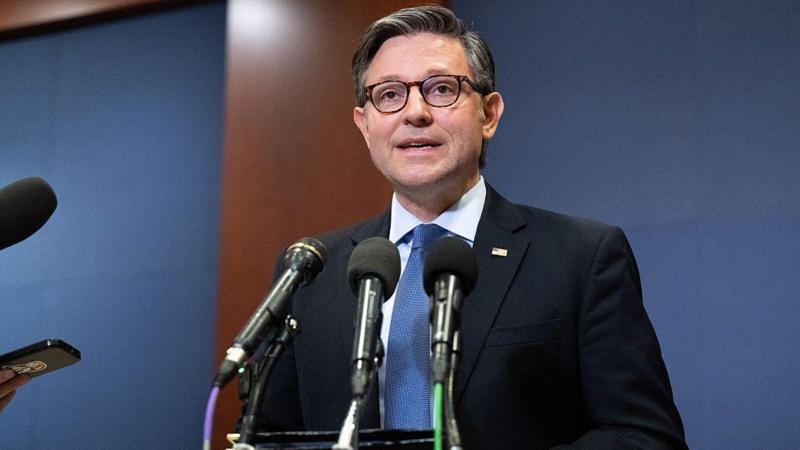
Speaker of the House Mike Johnson announced there would be no vote to extend healthcare subsidies that help low-income Americans, meaning premiums may rise for many people. Republicans argue these subsidies were meant to be temporary, while Democrats warn of increased healthcare costs. Some House Republicans might support a Democrat-led effort to vote on extending the subsidies, but significant hurdles remain.
Key Facts
- House Speaker Mike Johnson stated there will be no vote on extending healthcare subsidies.
- The subsidies, originally introduced during COVID-19, are set to expire at the end of the year.
- Without the extension, healthcare premiums could rise for millions of Americans.
- Republicans view the subsidies as a temporary measure, not intended to be permanent.
- Democrats warn that not extending the subsidies will raise healthcare costs significantly.
- The issue was central during a recent government shutdown lasting over 40 days.
- Moderate Republicans face pressure, especially from states that supported Donald Trump, because potential healthcare cost increases could affect re-election chances.
- Without a resolution, the subsidies are unlikely to be extended before the holiday break or to pass in the Senate even if the House supports it.