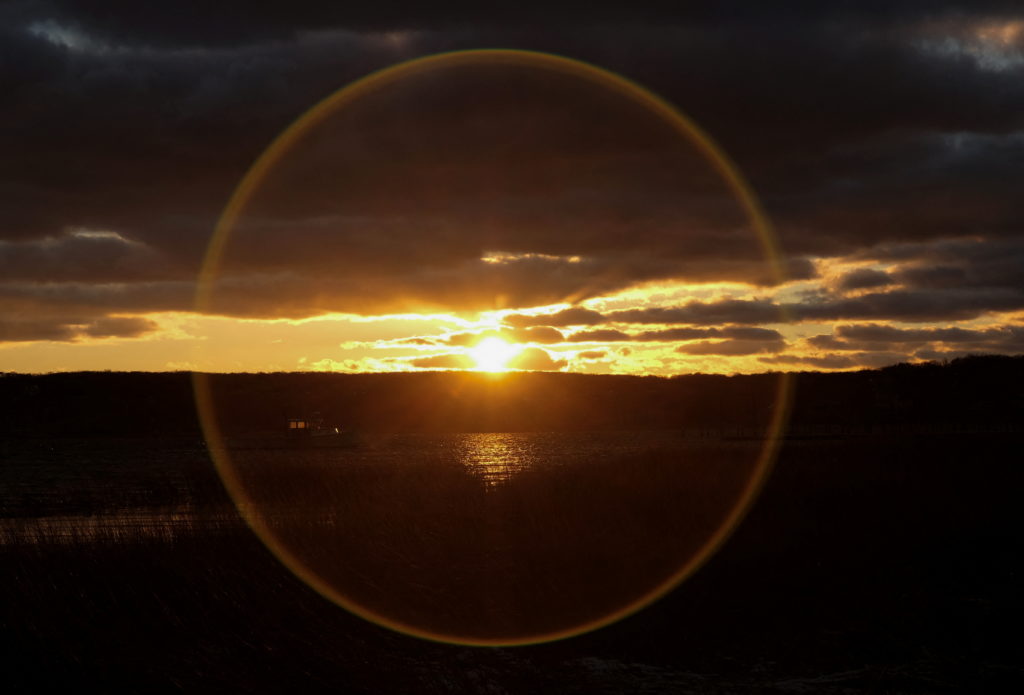
Winter solstice is nearly upon the Northern Hemisphere. Here’s what to know about the shortest day of the year
Summary
The winter solstice marks the shortest day of the year in the Northern Hemisphere, occurring when the Earth is tilted farthest from the sun. This event signals the start of winter north of the equator and summer in the Southern Hemisphere, where it is the longest day of the year.Key Facts
- The winter solstice is the shortest day of the year in the Northern Hemisphere.
- It marks the start of winter north of the equator and summer in the Southern Hemisphere.
- "Solstice" comes from Latin, meaning "sun" and "pause" or "stop."
- During the solstice, the sun makes its shortest, lowest arc in the sky.
- After the winter solstice, days begin to get longer until late June.
- People have historically celebrated solstices worldwide, with some structures like Stonehenge built to align with the sun.
- The Earth orbits the sun at an angle, affecting how sunlight reaches different parts of the planet during solstices.
Read the Full Article
This is a fact-based summary from The Actual News. Click below to read the complete story directly from the original source.
