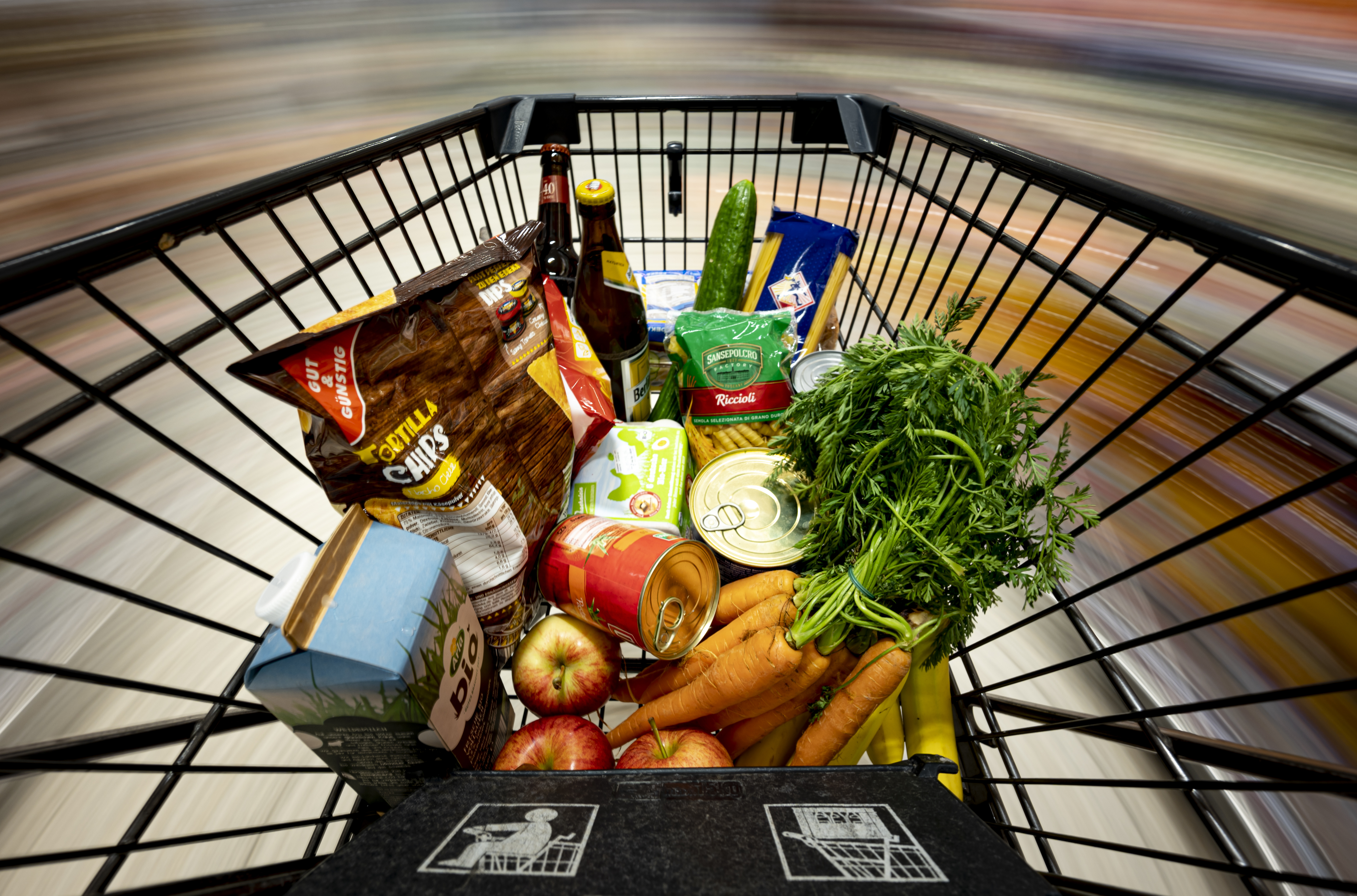
Why Soil Could Be Making Groceries More Expensive
Summary
Grocery prices in the U.S. have gone up recently, partly because of soil problems in farming areas. Poor soil makes crops harder to grow, leading to higher costs for farmers and, in turn, higher prices for consumers. These issues have roots in soil degradation, which affects water retention, making farms more prone to droughts and floods.Key Facts
- Grocery prices increased by 2.7% over the year ending in September, according to the Consumer Price Index.
- Meat, poultry, fish, and eggs prices rose by 5.2% in the same period.
- Soil degradation is identified as a key factor, causing difficulty in farming, especially due to poor water retention.
- The quality of soil impacts crop yields, which affects the prices of everyday groceries.
- America's soil condition costs the economy up to $85.1 billion annually, according to SaveSoil estimates.
- Over half of the Midwestern Corn Belt's topsoil has been lost, affecting major crop production.
- Modern irrigation, needed due to lower soil quality, can cost up to $160 per acre each year.
Read the Full Article
This is a fact-based summary from The Actual News. Click below to read the complete story directly from the original source.