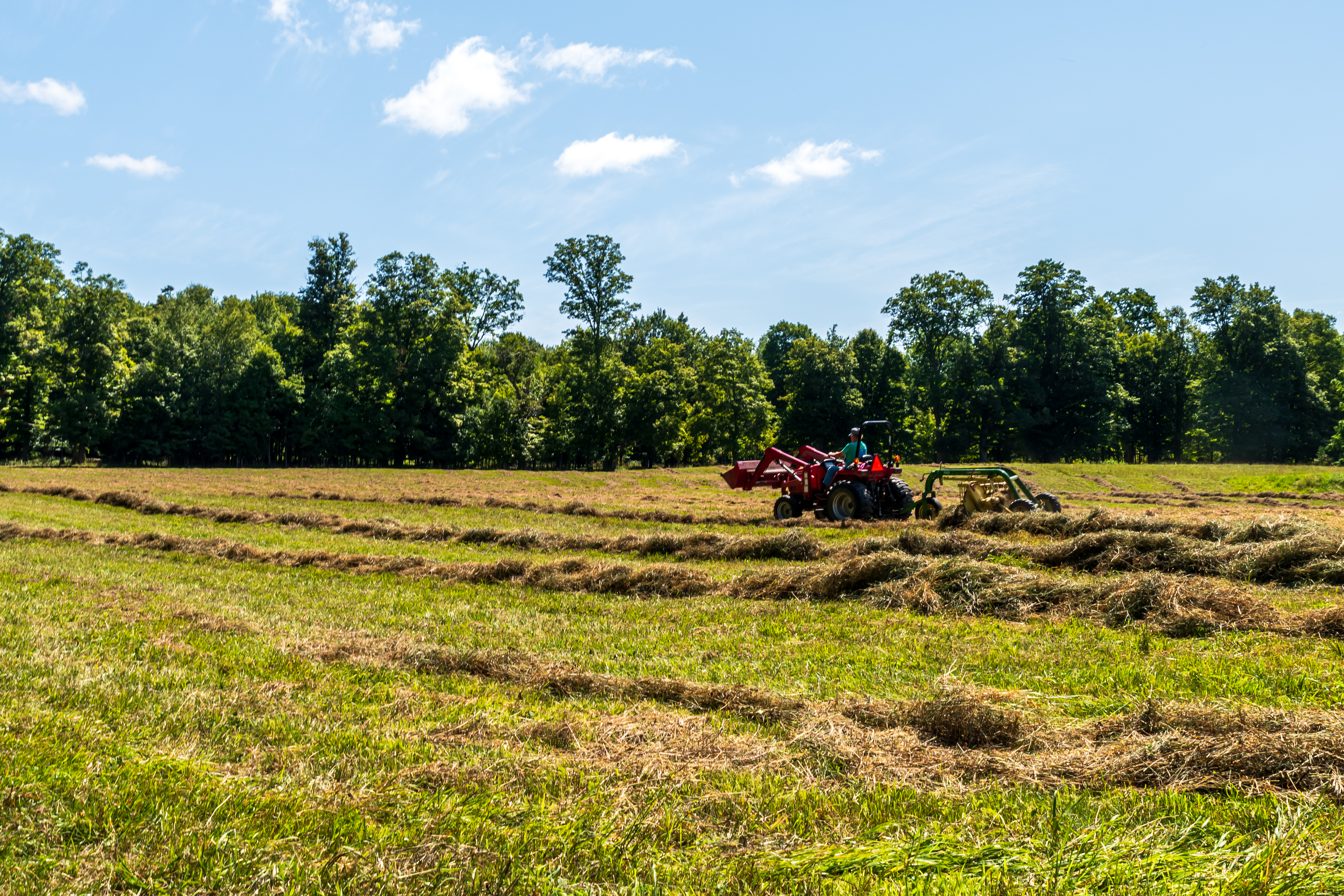
USDA’s Regenerative Agriculture Program Doesn’t Add Up | Opinion
Summary
The Trump administration launched a pilot program called Farmers First Regenerative Agriculture, promising $700 million to support sustainable farming practices. Critics argue this funding is inadequate given the administration's previous cuts to other agricultural support programs. There is also concern about the lack of clear definitions and regulations for regenerative agriculture.Key Facts
- The Farmers First Regenerative Agriculture pilot program offers $700 million to help farmers with sustainable practices.
- Critics say the program is inadequate because it follows cuts to other agricultural initiatives, like the $3 billion Partnerships for Climate-Smart Commodities program.
- The United States Department of Agriculture (USDA) has lost a significant number of staff under the Trump administration, affecting its ability to run new programs.
- Regenerative agriculture aims to improve soil health, conserve water, and increase carbon capture, but lacks clear definitions and standards.
- The trend of regenerative agriculture is growing, but there's concern over potential misuse of the term by large agribusinesses.
- Critics argue that the Trump administration's broader policies have negatively impacted American farmers and the environment.
- Immigration raids and trade policies under Trump have led to worker shortages and reduced export income for the agricultural sector.
Read the Full Article
This is a fact-based summary from The Actual News. Click below to read the complete story directly from the original source.