Crypto Will Unify Latin America’s Fragmented Capital Markets
Summary
The fragmented financial markets across Latin America are slowly becoming unified through the use of crypto platforms. This new wave of technology allows for easier cross-border investments and transactions, similar to how European markets function. Key countries like El Salvador and Brazil are leading by advancing digital asset regulations.Key Facts
- Latin America has traditionally had fragmented financial systems due to different currencies and regulations.
- Cross-border payments in the region often rely on intermediaries like the U.S. banking system, causing delays and extra costs.
- New crypto platforms are creating financial systems that allow easier investments across borders using technologies like blockchain.
- Stablecoins, which are digital currencies backed by another asset, are helping businesses make quick payments across Latin American countries.
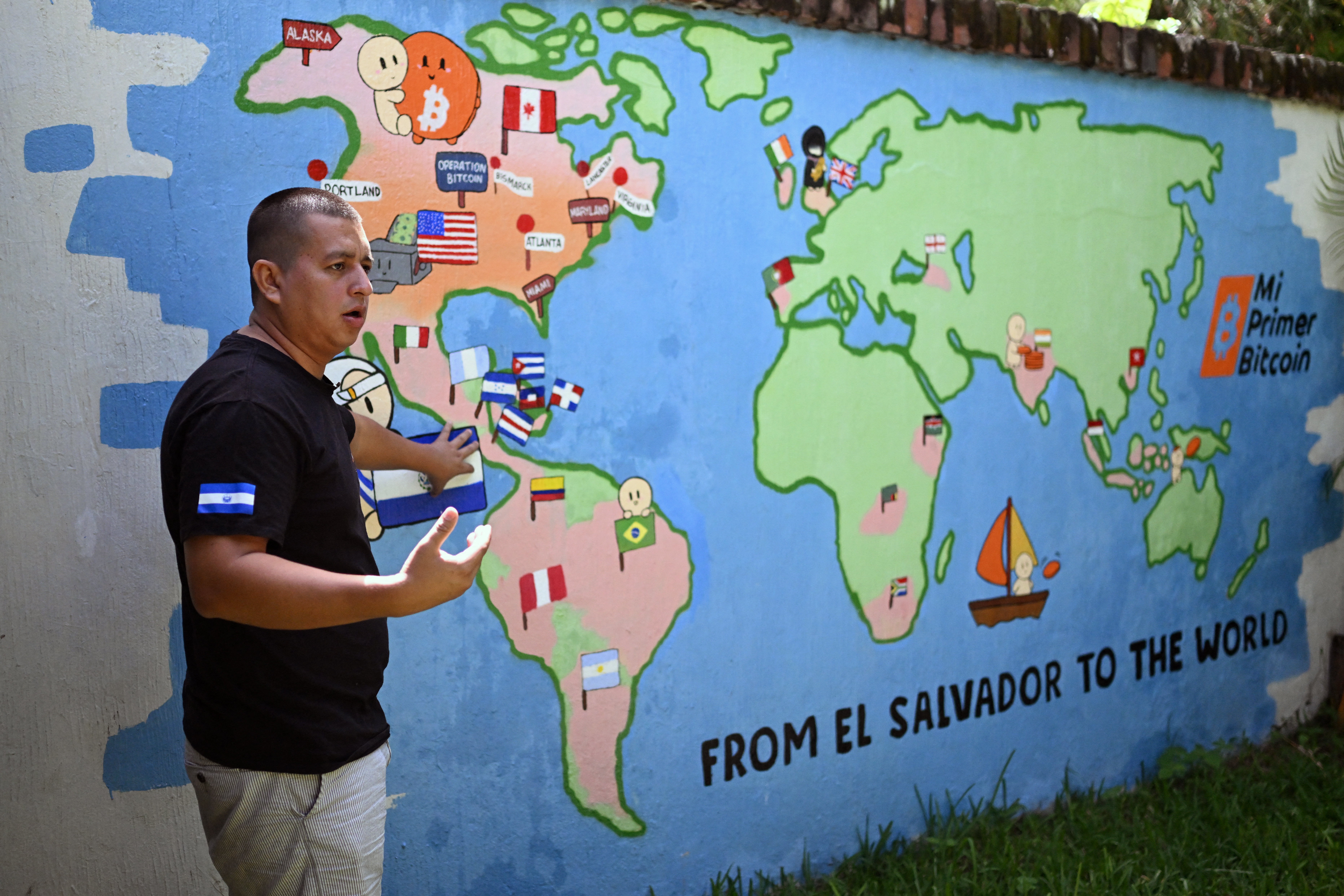
- El Salvador made Bitcoin legal tender in 2021 and is leading in developing crypto regulations.
- Brazil has passed a law for regulating cryptocurrencies, aiming to become a central player in regional crypto activities.
- Chile has created a licensing system for crypto exchanges and wallet providers.
- Countries like Peru and Colombia are still in the process of developing their crypto regulatory frameworks.
Read the Full Article
This is a fact-based summary from The Actual News. Click below to read the complete story directly from the original source.