Summary
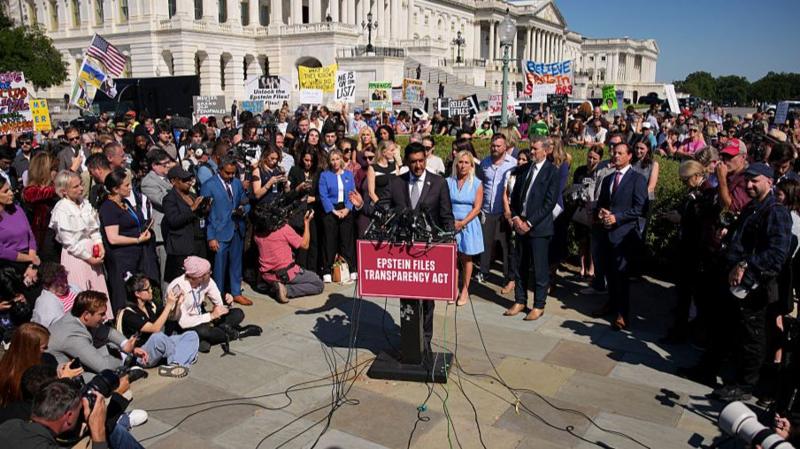
Lawmakers and survivors of Jeffrey Epstein's crimes are upset over the release of documents with many redactions. While the Justice Department released thousands of pages, some important details were hidden to protect victim identities. The release was part of a Congressional directive for public transparency.
Key Facts
- Thousands of documents related to Jeffrey Epstein's crimes were released but with many redactions.
- The release was part of a Congressional act demanding transparency from the US Justice Department.
- Redactions in the documents aim to protect the identities of over 1,200 victims or their families.
- Some photos and details included high-profile names, like President Trump, but with no indication of wrongdoing.
- The DOJ stated it didn't redact politician names unless they were victims.
- DOJ redactions also covered child and physical abuse materials and sensitive information affecting national security.
- Legal experts expressed concern that heavy redactions might encourage conspiracy theories.
- The Justice Department must provide Congress with a list explaining the redactions within 15 days of release.