Summary
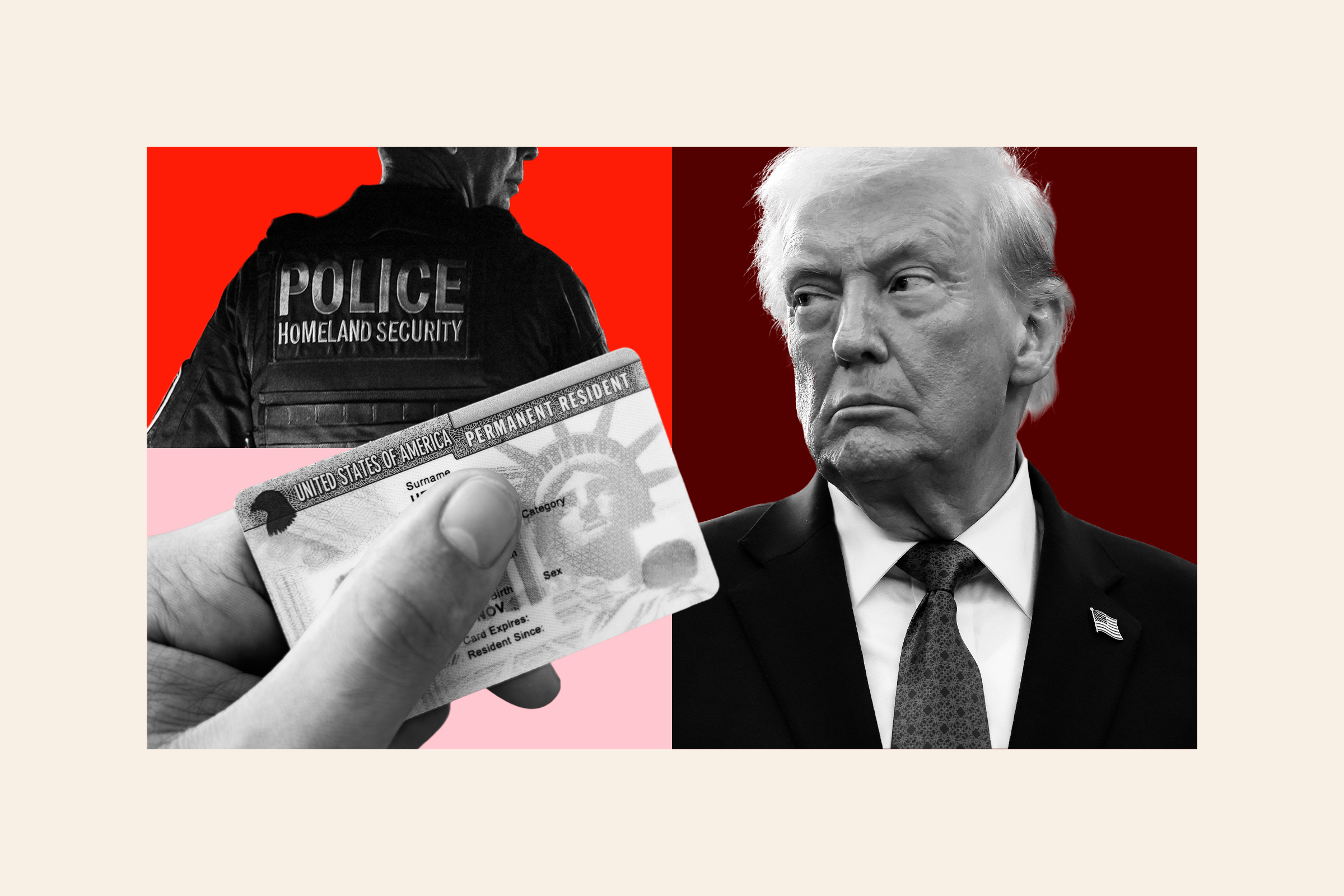
The Trump administration is making significant changes to U.S. immigration policies, focusing on more restrictions for legal entries, asylum seekers, and high-skilled visas. Starting January 2026, new fee structures and more stringent checks are expected to affect various visa programs, including the H-1B program. These policies are causing concern among employers and advocacy groups about their impact on access to global talent.
Key Facts
- President Trump's administration is changing U.S. immigration rules to be more restrictive.
- New fees for asylum-related applications will start in January 2026.
- The diversity visa lottery program has been suspended after a shooting incident.
- An extra $100,000 fee for some H-1B visa applications has been proposed.
- Lawsuits have been filed against the new H-1B visa fee, questioning its legality.
- Federal scrutiny on H-1B applications has increased, resulting in more denials.
- Employers, universities, and some states are opposing restrictions on H-1B visas, fearing impacts on talent and innovation.
- USCIS will review green card statuses from 19 countries, considering country-specific factors.