Phygital Is the Buzz Word New Car Shoppers Need to Know
Summary
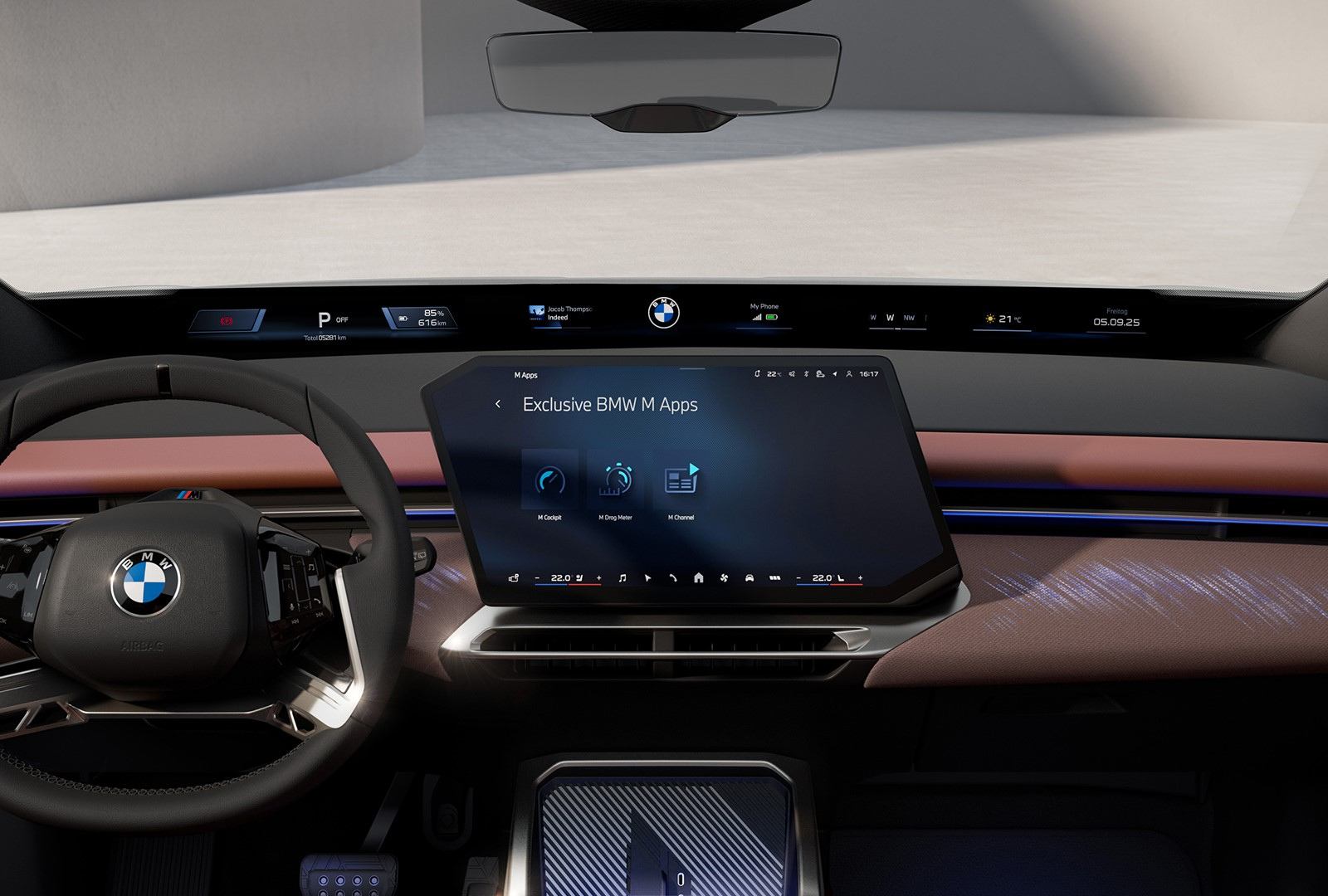
The term "phygital" describes the combination of physical and digital elements in car designs. Automakers are balancing these features to create user-friendly experiences, which vary between markets like the U.S. and China. Preferences for car features differ globally, with Americans favoring a mix of traditional controls and digital upgrades, while Chinese consumers prefer more digital screens.Key Facts
- "Phygital" is a mix of physical and digital elements in technology, first coined by Chris Weil in 2007.
- Automakers use phygital designs to blend physical controls like buttons with digital technology like touchscreens.
- Companies use digital controls for cost savings, easier manufacturing, and the ability to update software remotely.
- Rivian issues regular updates for its digital-only vehicle interfaces.
- Slate plans to release a car in 2026 with minimal screens, unlike most current trends.
- Chinese car buyers want more digital screens in vehicles for entertainment, while U.S. buyers prefer a phygital approach.
- Features like semi-autonomous driving and emergency braking are popular among American consumers.
- Luxury cars are differentiating themselves by including extra digital features, like passenger screens.
Read the Full Article
This is a fact-based summary from The Actual News. Click below to read the complete story directly from the original source.