Summary
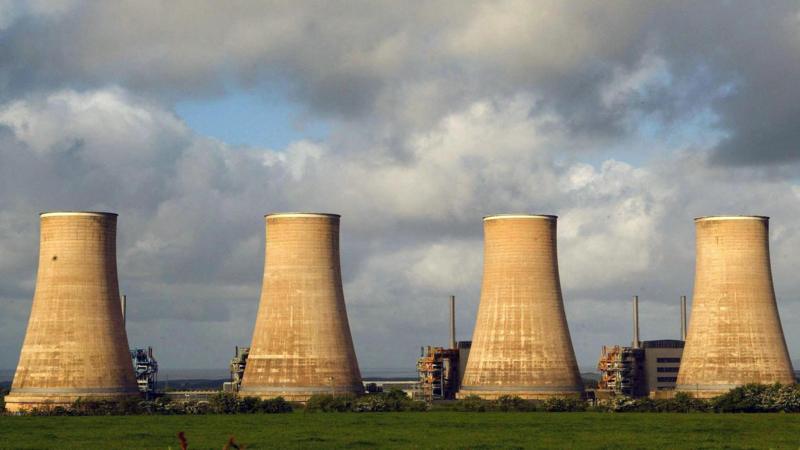
The Chapelcross nuclear power plant in southern Scotland stopped generating electricity in 2004 and is now being decommissioned. Instead of building a new nuclear plant, plans are being made to turn the site into a green energy hub, focusing on renewable energy sources. This project aims to use the plant's existing connections to the national grid and provide employment in the region.
Key Facts
- The Chapelcross nuclear plant began construction in 1955 and started generating electricity in 1959.
- It operated for about 45 years until 2004 and is currently being decommissioned.
- At its peak, the plant employed over 700 people and could power homes in south-west Scotland, the Borders, and Cumbria.
- The Scottish government opposes building new nuclear plants on the site.
- Plans are underway to convert the site into a green energy hub, focusing on technologies like hydrogen, solar, and battery storage.
- The decommissioning process is expected to take decades, at least 70 more years.
- The site continues to employ about 200 people for decommissioning work.
- The Chapelcross plant also played a role in producing materials for atomic bombs during its operation.