Summary
Edinburgh is known as the home of Hogmanay, a major New Year celebration. This tradition became important because, for many years, Scotland did not officially celebrate Christmas. Instead, Scots celebrated Hogmanay with gatherings, music, and traditions like first-footing.
Key Facts
- Hogmanay is a large New Year celebration in Edinburgh that attracts many visitors from around the world.
- Scotland did not officially celebrate Christmas for centuries, making Hogmanay the main winter event.
- "Yule vacations" were banned in 1640 and Christmas only became a public holiday in 1958.
- Edinburgh became a central place for Hogmanay celebrations in the 18th and 19th centuries due to its status as the capital.
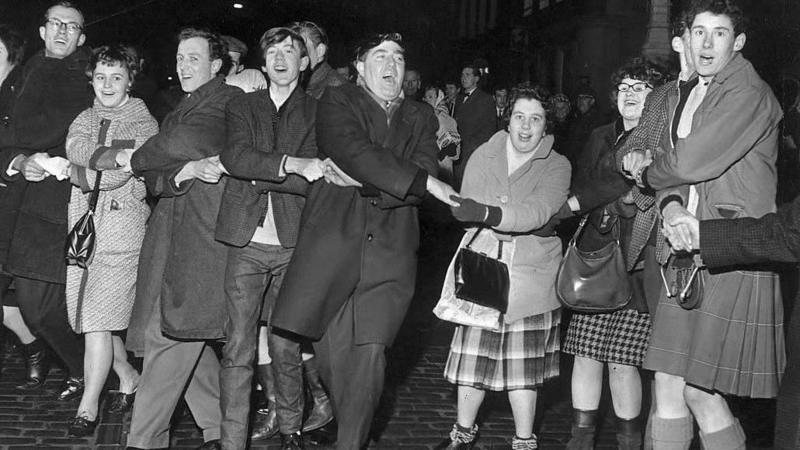
- The New Year's Eve festivities in Edinburgh grew very popular in the 1800s, with crowded streets after midnight.
- The temperance movement in the early 1800s, where many avoided alcohol, did not have as strong an influence in Edinburgh as in other Scottish areas.
- Traditions like first-footing and wassailing involve visiting homes and sharing drinks.
- Historical events and activities have made the celebration at The Tron in Edinburgh a long-standing tradition.