Summary
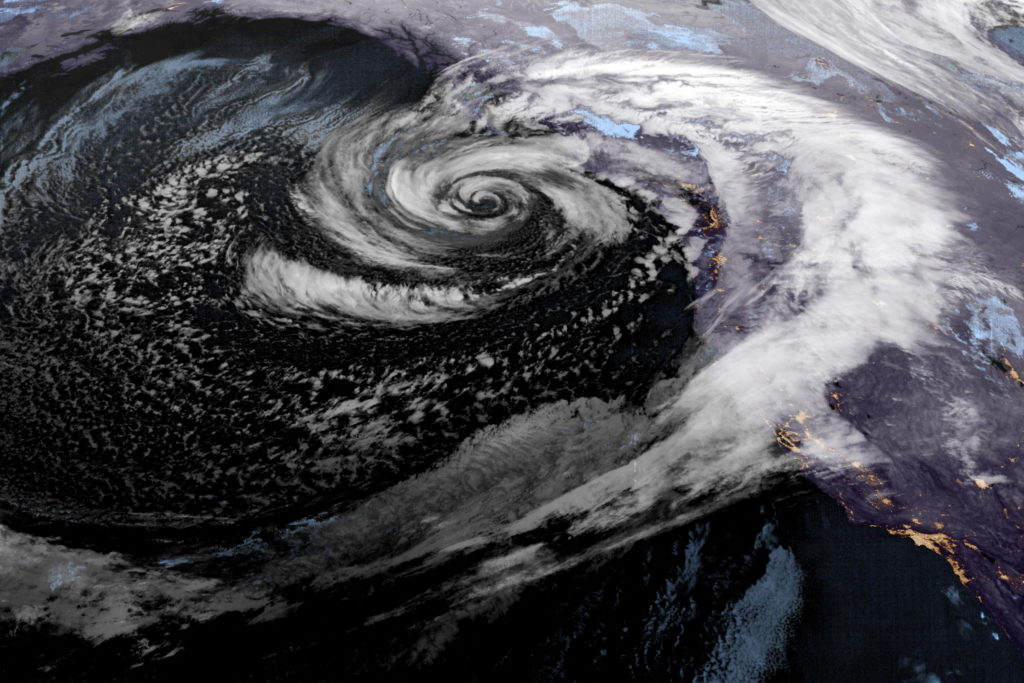
Bomb cyclones are powerful storms that develop when a storm's central pressure drops quickly, a process called bombogenesis. These storms can bring heavy rain, snow, and strong winds, creating dangerous conditions.
Key Facts
- Bomb cyclones happen when a storm's central pressure drops by at least 24 millibars in 24 hours.
- Lower central pressure means a stronger storm.
- These storms often bring heavy rain, blizzards, and strong winds, which can cause power outages and downed trees.
- Bomb cyclones usually occur in fall and winter.
- They form when cold Arctic air meets warmer air masses.
- In North America, places like Alaska, the Pacific Northwest, and the Great Lakes are more likely to experience bomb cyclones.
- Bomb cyclones are rare in the southern United States.