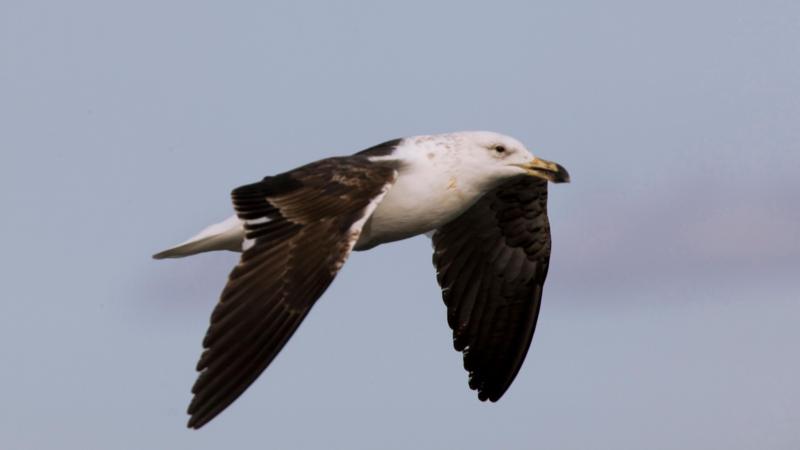
Saving South Africa's threatened albatross from lethal fishing lines
Summary
The article discusses efforts to protect endangered albatrosses off the coast of South Africa from fishing-related fatalities. Albatrosses often get caught in long fishing lines with hooks, referred to as bycatch, which poses a threat to their survival. A conservation group, BirdLife South Africa, is working on solutions to reduce these deaths, such as advocating for safe fishing practices.Key Facts
- Bird watchers travel from Cape Town to see endangered seabirds, like the albatross, off South Africa's coast.
- Albatrosses often follow fishing boats because they look for food in the discarded fish parts.
- Long fishing lines with hooks can trap the birds, leading to their accidental death, known as bycatch.
- These long lines are used to catch big fish like tuna and can be up to 100 kilometers (about 62 miles) long with many hooks.
- There are 22 species of albatrosses worldwide, and 15 are threatened by fishing activities.
- Albatrosses spend much of their lives at sea, making them more likely to encounter fishing boats.
- The Albatross Task Force from BirdLife South Africa is working to prevent these birds from being harmed by fishing operations.
- Albatrosses mate for life and usually lay only one egg every two years, making them vulnerable to population declines.
Read the Full Article
This is a fact-based summary from The Actual News. Click below to read the complete story directly from the original source.