Summary
Young children in the UK will begin receiving the chickenpox vaccine as part of the National Health Service's (NHS) standard childhood vaccination program starting January. The vaccine will be included in a new combination called MMRV, which also protects against measles, mumps, and rubella. There will also be a catch-up program for older children to receive the vaccine.
Key Facts
- Chickenpox is a contagious disease caused by the varicella zoster virus (VZV).
- The virus spreads through direct contact or droplets when an infected person coughs or sneezes.
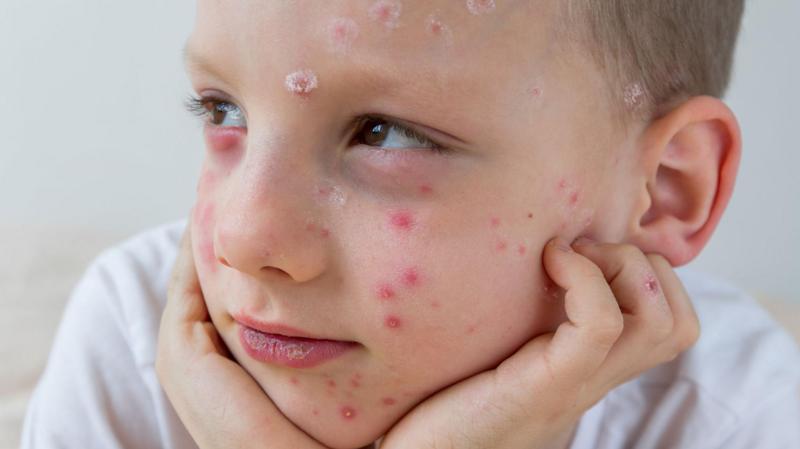
- Symptoms include fever, aches, a feeling of being unwell, and a red or pink itchy rash that turns into blisters.
- The NHS will offer the MMRV vaccine to children born after January 1, 2026, with two doses at 12 and 18 months of age.
- A catch-up program will provide vaccines to older children born from January 2020 onwards.
- MMRV stands for measles, mumps, rubella, and varicella (chickenpox) vaccine.
- The UK joins countries like Germany, Canada, Australia, and the US in offering routine chickenpox vaccination.
- The vaccine has low risk of severe side effects but is not recommended for people with weakened immune systems.