Summary
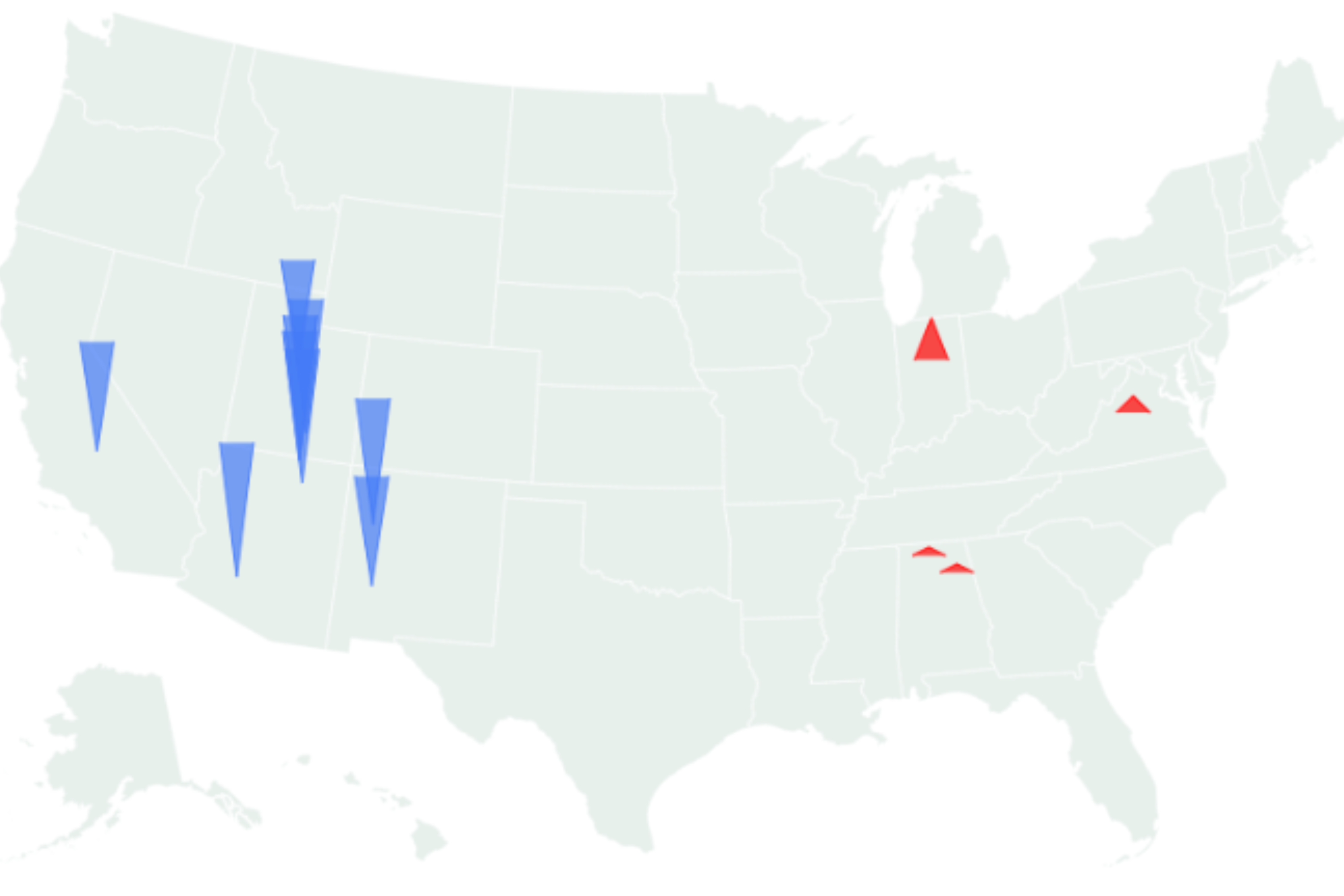
New data shows that the number of young children is decreasing in many U.S. cities, especially in the western states like Utah, Colorado, and Nevada. The U.S. fertility rate stands at 1.6 births per woman, below the 2.1 needed to maintain the population without immigration. This shift in birth rates is changing the age makeup of the population and may affect labor markets and social systems.
Key Facts
- Birth rates are dropping fastest in western U.S. cities, particularly in Utah, Colorado, and Nevada.
- Utah cities such as Logan, Ogden, Provo, St. George, and Salt Lake City have seen significant declines in the share of young children.
- The average fertility rate in the U.S. is 1.6 births per woman, below the replacement rate of 2.1 births.
- People in the U.S. are living longer, with women’s life expectancy at 82.5 years and men’s at 77.7 years.
- Lower birth rates can relieve pressure on housing and schools but might strain the economy and elder care systems.
- In Utah, cultural and religious factors, particularly among the Latter-day Saints, have historically led to higher birth rates.
- The Institute for Family Studies found links between religious practices and birth rates, noting a connection especially seen within religious communities.
- Economic shifts, like those from the 2008 financial crisis, are contributing to lower birth rates nationwide.