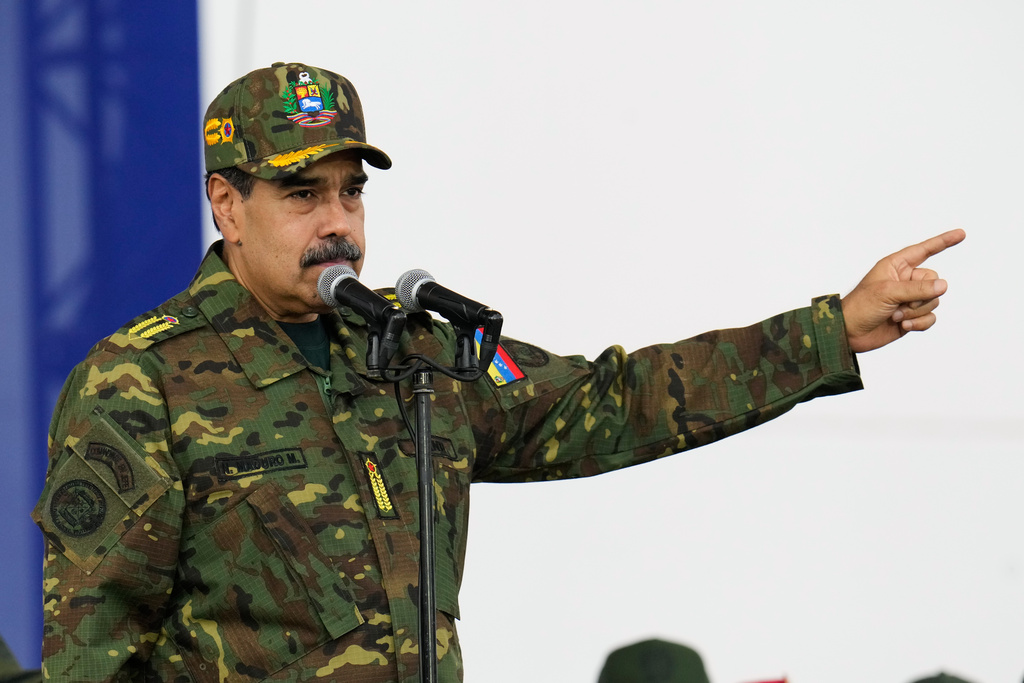
Summary
The Supreme Court has ruled in the past that foreigners can be tried in the U.S. even if they were brought forcibly into the country. The case of Venezuelan leader Nicolas Maduro, who faces drug charges in a New York court, raises questions about whether foreign leaders like him can be prosecuted in the U.S. Experts believe the case could reach the Supreme Court, but there are no clear existing rulings about prosecuting foreign leaders.
Key Facts
- Nicolas Maduro is the deposed leader of Venezuela and is facing U.S. drug charges.
- Maduro has been brought to a New York court to face these charges.
- The Supreme Court has older rulings that allow foreigners to be prosecuted in the U.S., even if brought forcibly.
- The Ker-Frisbie doctrine supports that forcible abduction does not stop prosecution.
- There are no major Supreme Court precedents for prosecuting foreign leaders specifically.
- Legal experts think the case might be appealed to the Supreme Court for its significance in U.S. law.
- The case is compared to that of former Panamanian leader Manuel Noriega, who was tried in the U.S.
- The U.N. Charter's rule against using force does not stop the U.S. from forcibly taking individuals abroad to face charges.