Summary
The Supreme Court's previous ruling on the Federal Tort Claims Act may influence the legal outcome of an ICE agent's shooting of a woman in Minneapolis. The Act sets strict legal standards for suing federal officers, focusing on whether their actions were negligent or intentional. The ICE agent claims self-defense, while local officials and protesters dispute this view.
Key Facts
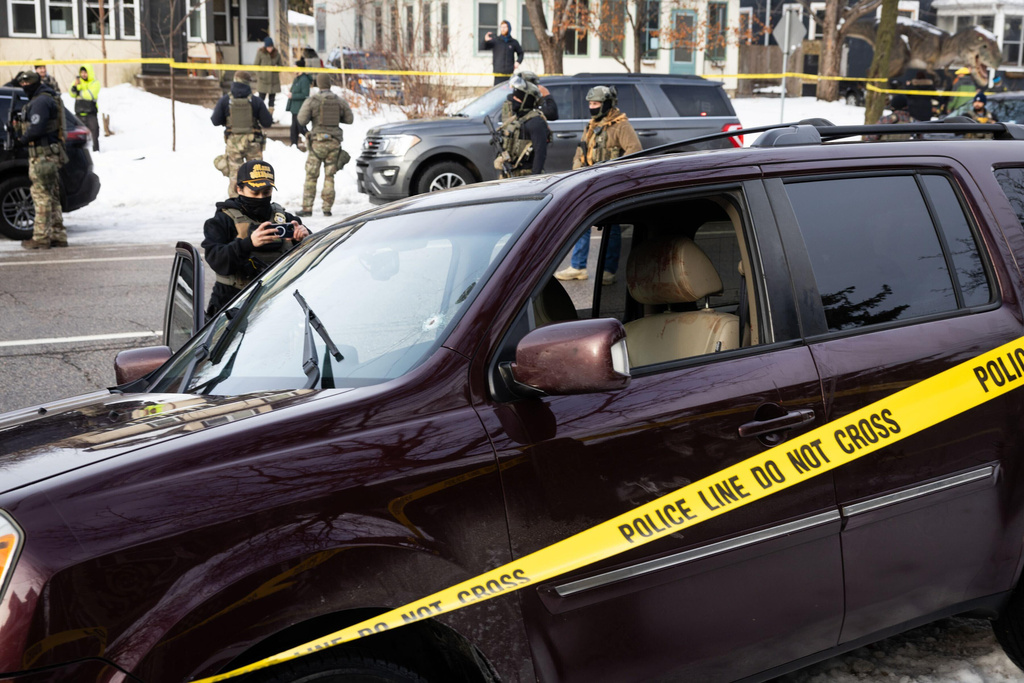
- A woman named Renee Nicole Good, 37, was shot by an ICE officer during a traffic stop in Minneapolis.
- The Supreme Court ruled in Martin v. United States that the Federal Tort Claims Act limits how federal employees can be sued.
- The law requires plaintiffs to prove negligence by federal officials in performing their duties.
- The Department of Homeland Security stated the officer felt threatened by what they described as an act of domestic terrorism by the woman.
- Witnesses captured the shooting on video, and it led to protests in Minneapolis.
- The Supreme Court's decision in Graham v. Connor provides a standard for evaluating claims of excessive force by law enforcement.
- There is disagreement between local officials and the federal government about whether the shooting was justified self-defense.