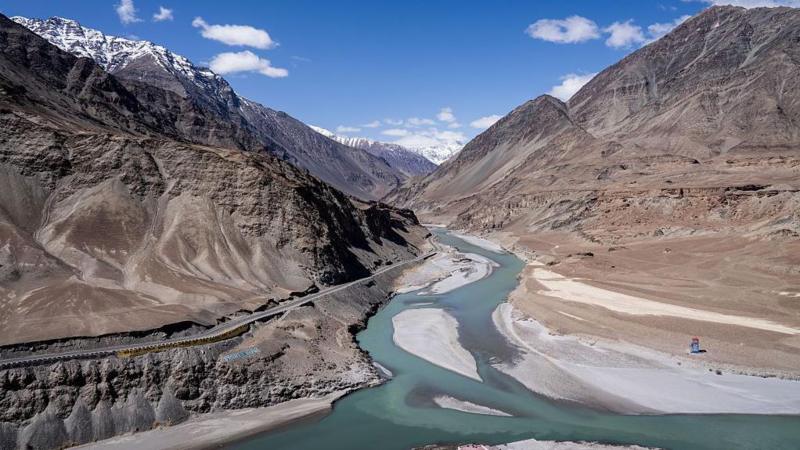
Himalayas bare and rocky after reduced winter snowfall, scientists warn
Summary
Scientists report that the Himalayas are receiving much less snowfall in winter, leaving the mountains bare and rocky. This reduction is linked to global warming, affecting the region's water supply and increasing the risk of natural disasters. The issues are particularly serious in northern India, Nepal, and other parts of the Himalayan region.Key Facts
- The Himalayas are experiencing much less snowfall in winter over the past five years.
- Rising temperatures cause snow to melt quickly, leading to more rain instead of snow in lower areas.
- The Intergovernmental Panel on Climate Change links these changes partly to global warming.
- Reduced snowfall affects hundreds of millions of people who rely on river systems fed by snowmelt for water.
- Lower precipitation increases the risk of forest fires due to dry conditions.
- The loss of ice and snow makes the mountains less stable, increasing the risk of landslides and other disasters.
- The Indian Meteorological Department has found no precipitation in northern India in December and expects low rainfall and snowfall in early 2023.
- Studies show a 25% decrease in winter snowfall in the northwestern Himalayas compared to the long-term average.
Read the Full Article
This is a fact-based summary from The Actual News. Click below to read the complete story directly from the original source.