Summary
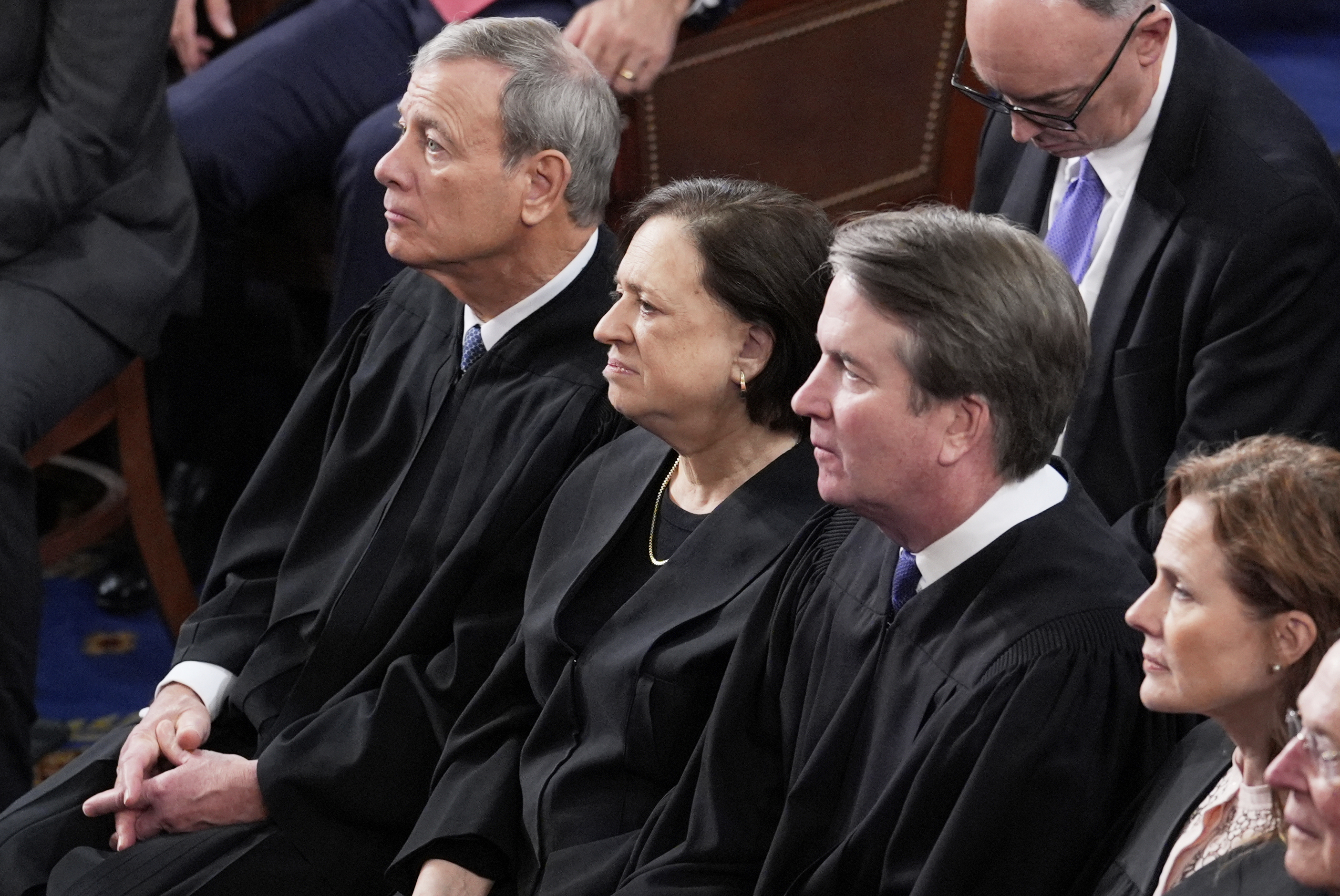
Justice Elena Kagan sided with the conservative majority in a Supreme Court case about Illinois' mail-ballot rules. The court ruled 7-2 that the candidates did not have the right to challenge the deadline for receiving ballots. This decision means that late-arriving ballots in Illinois will continue to be counted under the current rules.
Key Facts
- The Supreme Court case is called Bost v. Illinois State Board of Elections.
- Justice Elena Kagan, usually aligned with liberal justices, joined the conservative majority in the decision.
- The court ruled 7-2 that the candidates did not have legal standing to challenge Illinois’ ballot-receipt deadline.
- Illinois’ practice involves counting certain ballots even if they arrive after the official deadline.
- Chief Justice John Roberts, along with Justices Samuel Alito, Clarence Thomas, Neil Gorsuch, and Brett Kavanaugh, formed the majority opinion.
- Justice Amy Coney Barrett wrote a separate opinion that Justice Kagan supported.
- Justices Ketanji Brown Jackson and Sonia Sotomayor disagreed with the majority decision.
- The ruling confirms that Illinois can continue counting late-arriving ballots under existing rules.