Summary
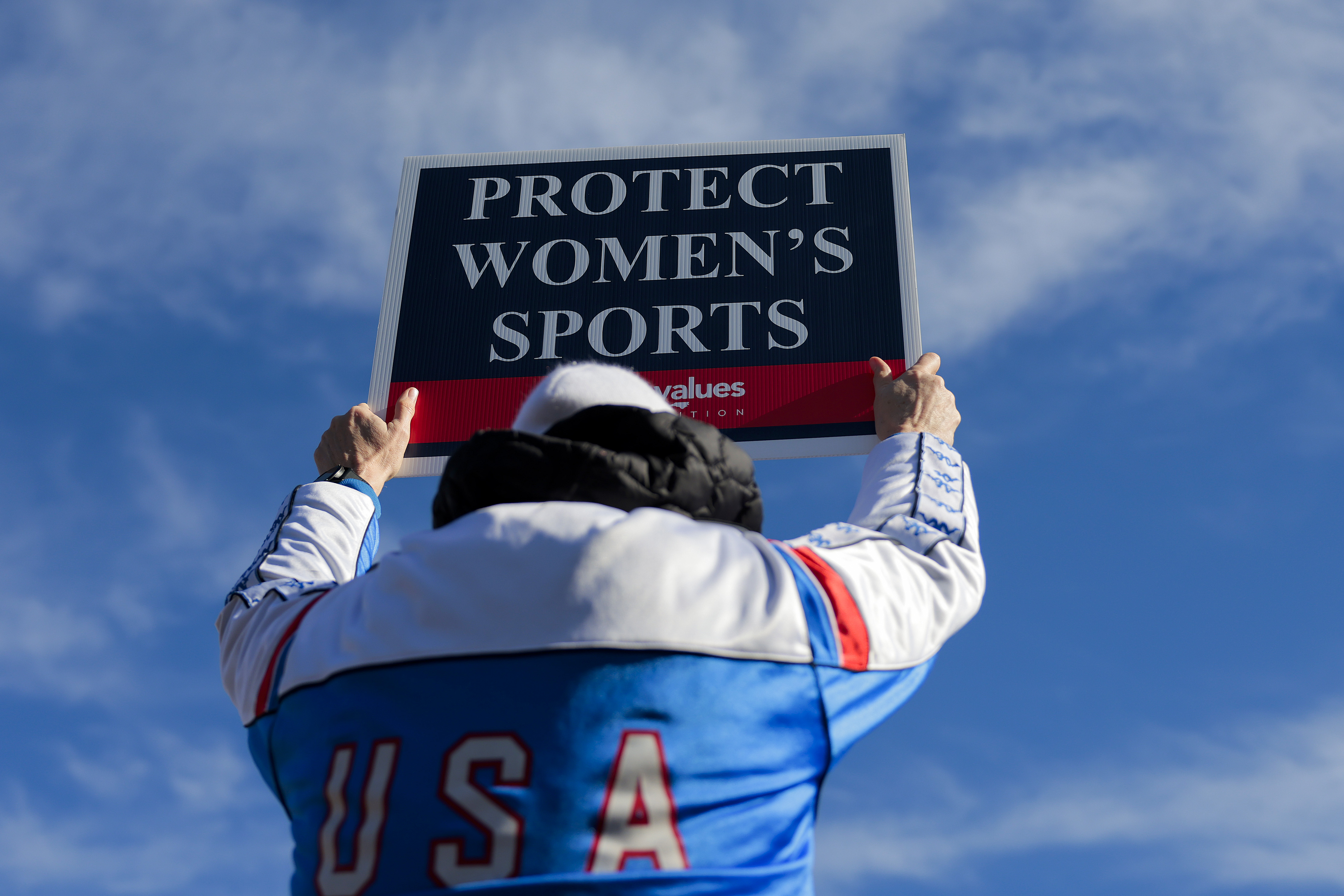
The U.S. Supreme Court recently heard arguments in cases about whether laws in Idaho and West Virginia, which restrict transgender women from participating in women's sports, violate the 14th Amendment or Title IX. The cases address whether legal protections for biological women in sports clash with recent interpretations of gender identity rights. The Court's decision will impact how laws related to gender and sports are applied.
Key Facts
- The U.S. Supreme Court is considering cases called Little v. Hecox and West Virginia v. B.P.J.
- These cases question if state laws barring transgender women from women's sports violate constitutional rights.
- The 14th Amendment, ratified in 1868, and Title IX, passed in 1972, are central to the legal arguments.
- The 14th Amendment originally aimed to protect civil rights after the Civil War.
- Title IX was enacted to ensure equal educational opportunities, including in sports, for women.
- The Idaho and West Virginia laws aim to keep women's sports limited to biological females.
- The debate involves whether gender identity can override biological distinctions in legal terms.
- The outcome could affect women's sports and related legal interpretations in the U.S.