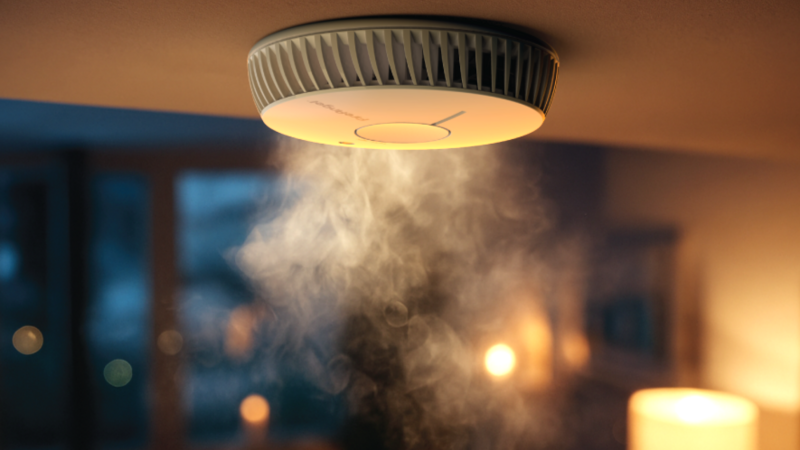
'They are essential': How smoke detectors are evolving
Summary
Smoke detectors have been important for home safety for a long time, but technology still needs to catch up with new fire risks like those from e-bike batteries. Researchers are trying to improve smoke detection methods to help identify fires faster. Despite challenges, working smoke alarms are crucial for reducing fire-related deaths.Key Facts
- Smoke detectors are essential for alerting people to fires and can significantly reduce fire-related deaths.
- Modern fires, such as those involving e-bikes, present new challenges for traditional smoke detectors.
- There are two main types of smoke alarms: ionisation-based, which detect fast-burning fires, and optical-based, which are better for slow, smouldering fires.
- Heat sensors are often used in kitchens to prevent false alarms from simple cooking.
- Older standards for smoke alarms were developed in the 1980s, but they still effectively detect most house fires today.
- Smoke alarms should be installed in all homes, but a survey found many UK and US households lack functioning alarms.
- New technologies are being explored to improve detection for modern fire risks, like lithium-ion battery fires from devices like e-bikes.
Read the Full Article
This is a fact-based summary from The Actual News. Click below to read the complete story directly from the original source.