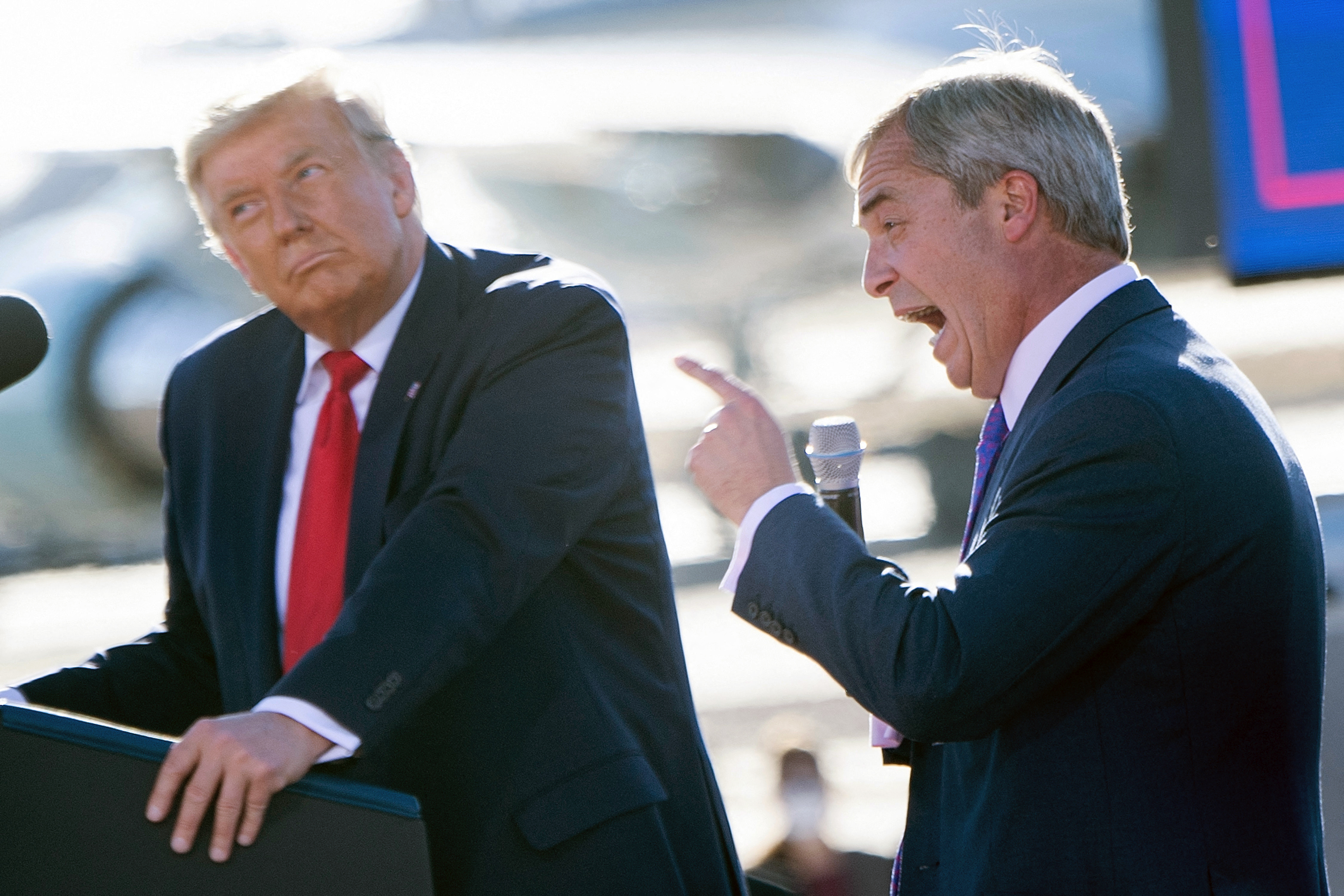
Trump's Allies Turn on Him Over Greenland
Summary
President Donald Trump announced new tariffs on European countries if negotiations to purchase Greenland do not succeed. This move has sparked criticism from European leaders, including some of Trump's usual allies, due to concerns about its impact on international relations. The situation has led to protests in Greenland and Denmark, financial market uncertainties, and diplomatic tensions.Key Facts
- President Trump proposed tariffs starting at 10% on goods from several European countries if Greenland is not sold to the U.S.
- The tariffs would increase to 25% by June 1 if negotiations fail.
- European NATO members have criticized the tariffs, citing concerns over trans-Atlantic unity.
- Protests in Greenland and Denmark oppose the sale and emphasize their commitment to self-governance.
- Financial markets reacted to the tension with falling European stocks and rising gold and silver prices.
- Right-wing political figures in Europe, typically supportive of Trump, have publicly opposed the move.
- The tariffs are linked to U.S. national security interests, also mentioning competition from China and Russia.
Read the Full Article
This is a fact-based summary from The Actual News. Click below to read the complete story directly from the original source.
