Summary
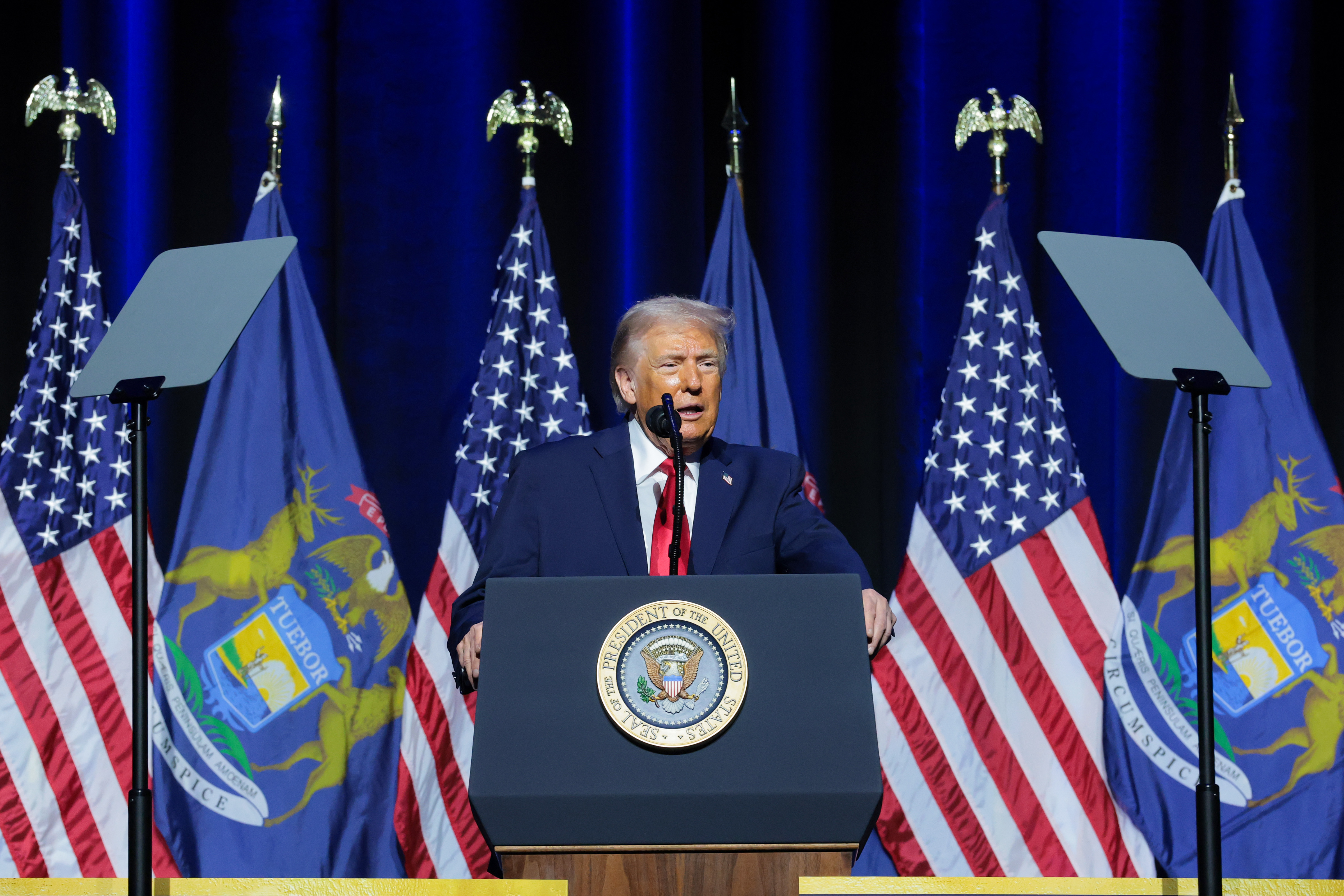
President Trump stated his plan to revoke the citizenship of naturalized immigrants convicted of fraud. Legal experts explained that revoking citizenship is complex and limited by law. The U.S. government can only strip citizenship either through criminal charges that prove fraud in the naturalization process or through civil lawsuits with strong evidence.
Key Facts
- President Trump announced plans to revoke citizenship for naturalized immigrants convicted of fraud.
- To revoke citizenship, the U.S. government must either file criminal charges or a civil lawsuit.
- In criminal cases, the government must prove fraud "beyond a reasonable doubt."
- The 2017 Supreme Court ruling in Maslenjak v. United States set a high bar for stripping citizenship based on fraud.
- Civil cases require "clear and convincing evidence" that fraud affected the application decision.
- Legal experts highlight challenges and limitations in using denaturalization as a tool.
- There are no legal grounds for revoking citizenship due to crimes committed after naturalization.
- Concerns exist about the constitutionality of the civil denaturalization process.