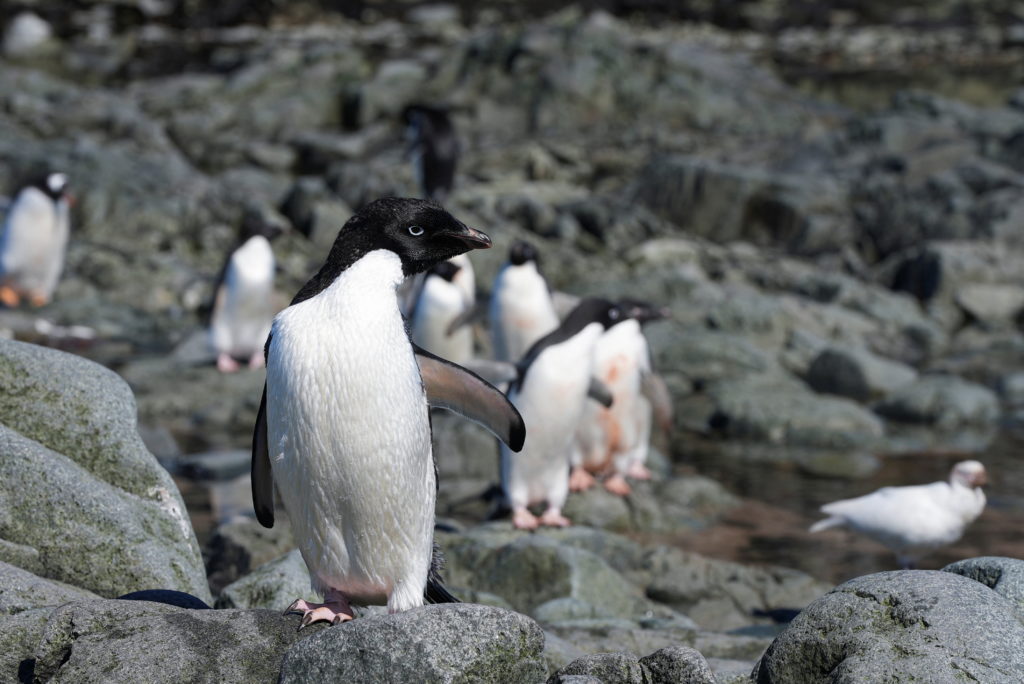
Antarctic penguins threatened as warming temperatures cause them to breed earlier, research shows
Summary
Antarctic penguins are starting to breed earlier due to rising temperatures, which causes problems for their food supply. This earlier breeding impacts three species, with some at risk of extinction by the century's end. Scientists have observed these changes using cameras across various penguin colonies.Key Facts
- Antarctic penguins are beginning to breed about two weeks earlier due to warming temperatures.
- From 2012 to 2022, temperatures in penguin breeding areas increased by 5.4 degrees Fahrenheit (3 degrees Celsius).
- Three penguin species affected are the Adelie, chinstrap, and gentoo penguins.
- Adelie and chinstrap penguins mainly eat krill and face competition from gentoos, which have a more varied diet.
- Gentoo penguins are breeding earlier and overlapping with the other two species' breeding times.
- As a result of dietary competition and environmental changes, Adelie and chinstrap penguins may face extinction by the end of the century.
- The warming Antarctic region is causing less sea ice, affecting the food chain starting with phytoplankton, vital for penguin diets.
- Increased commercial fishing further reduces the food supply available for penguins.
Read the Full Article
This is a fact-based summary from The Actual News. Click below to read the complete story directly from the original source.