Summary
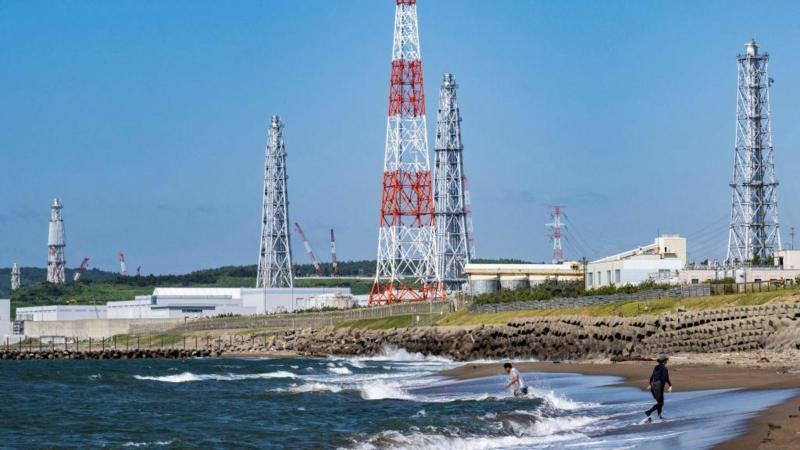
Japan has restarted reactor no.6 at the Kashiwazaki-Kariwa Nuclear Power Plant, which is the largest in the world by installed capacity. This marks a step in Japan's efforts to bring back nuclear energy after the Fukushima disaster in 2011, but public concern and high operational costs remain challenges. Nuclear power provided just 8.5% of Japan's electricity in 2023, and the country aims to increase this to 20% by 2040.
Key Facts
- The Kashiwazaki-Kariwa plant is the largest nuclear power plant in the world by capacity.
- Reactor no.6 was restarted nearly 15 years after the Fukushima disaster.
- The plant originally had seven reactors, but only reactor no.6 is currently operational.
- Japan shut down all 54 nuclear reactors after the 2011 Fukushima disaster.
- As of 2023, nuclear power made up 8.5% of Japan's electricity supply.
- Japan plans for nuclear energy to provide 20% of its electricity by 2040.
- Safety checks and costs of operating reactors have increased significantly.
- Prime Minister Sanae Takaichi supports nuclear power for energy self-sufficiency.