Summary
In Uganda, the government shut down the internet during the general election to maintain peace, which resulted in significant disruptions for businesses and individuals. Many people, particularly those relying on online services and mobile money, saw their incomes drop sharply because they could not perform transactions or communicate effectively. The shutdown affected everyday life, causing issues for workers, businesses, and social connections.
Key Facts
- The Ugandan government shut down the internet during the general election period.
- The shutdown aimed to ensure peace and stability and was intended to prevent the misuse of communication during the election.
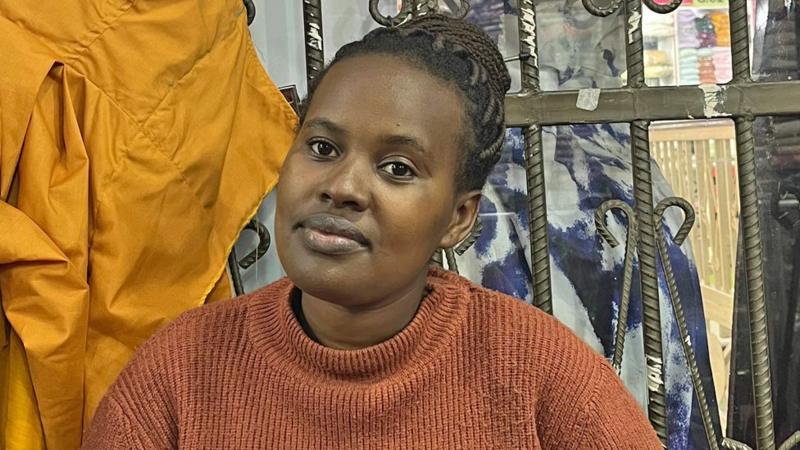
- Mobile money agents, like Mirembe Tracy, saw their earnings vanish as they couldn’t process transactions.
- Online ride-hailing services, such as those using motorcycle taxis, were disrupted.
- Businesses relying on social media, like Namukwaya Olivia's clothing store, couldn’t operate effectively.
- Journalists struggled to cover election events without internet access, affecting their work.
- Many people turned to offline content, like stored media on phones or television, during the blackout.
- Some young people experienced difficulties managing without online communication and entertainment.