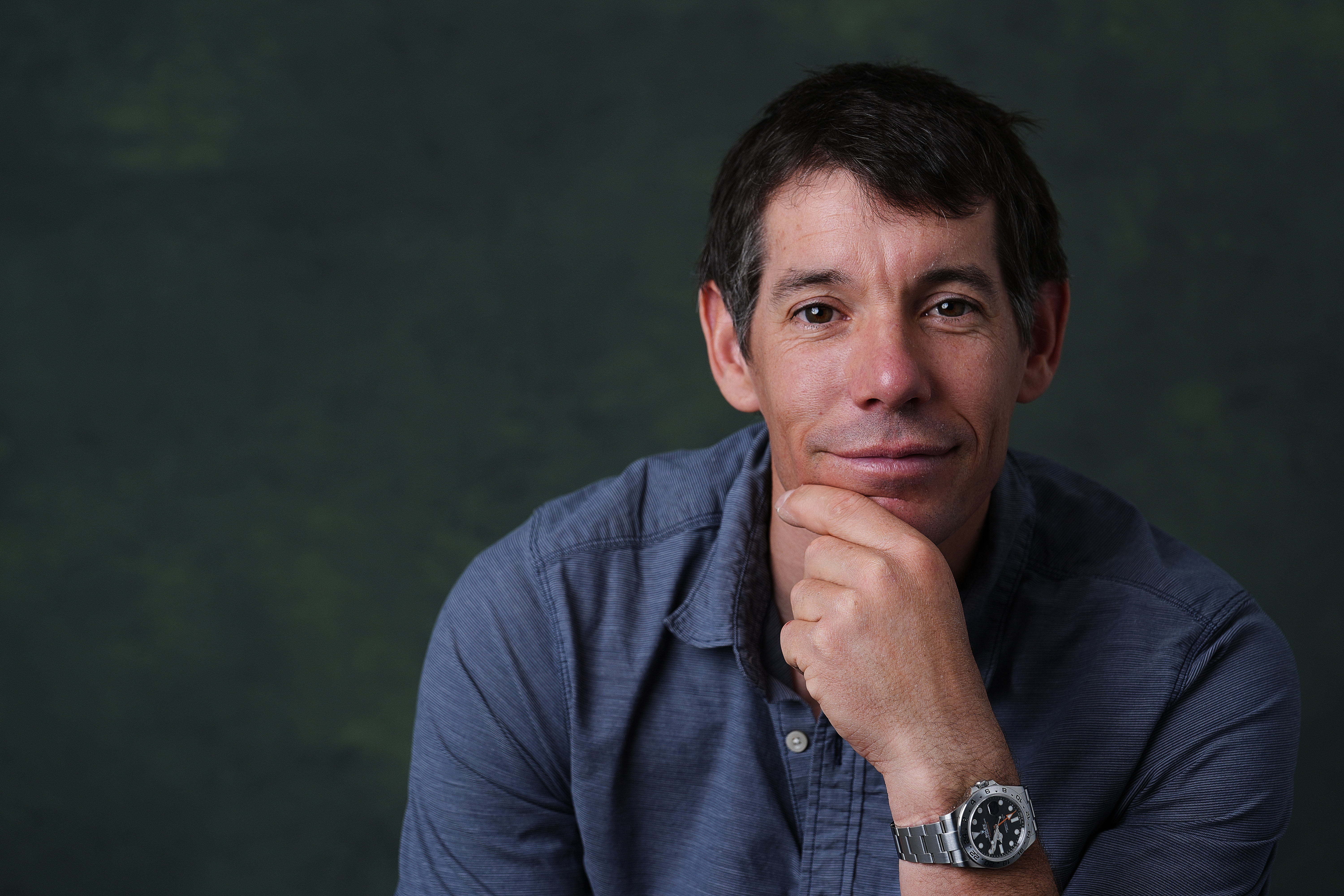
Alex Honnold's Brain: What fMRI Study Revealed About Climber's Lack of Fear
Summary
Alex Honnold, a climber known for scaling without safety gear, will climb Taipei 101 live without ropes. A 2016 brain scan suggested he experiences fear differently because his brain shows less activity in areas that trigger fear responses.Key Facts
- Alex Honnold is famous for free solo climbing, which means climbing without safety ropes.
- He will climb Taipei 101, a skyscraper about 1,667 feet tall, without any safety equipment.
- A 2016 fMRI scan showed that Honnold's amygdala, a brain part involved in fear, reacts less than that of a typical person.
- The research explored how Honnold could manage fear during high-risk climbs.
- The study found that when shown fear-inducing images, Honnold's brain showed little response.
- Honnold mentioned that his experiences have helped him get used to fear over the years.
- Scientists believe genetic factors and experience influence how the amygdala responds to fear.
- The brain scan results suggest that Honnold is a high-sensation seeker, meaning he seeks out thrilling experiences.
Read the Full Article
This is a fact-based summary from The Actual News. Click below to read the complete story directly from the original source.