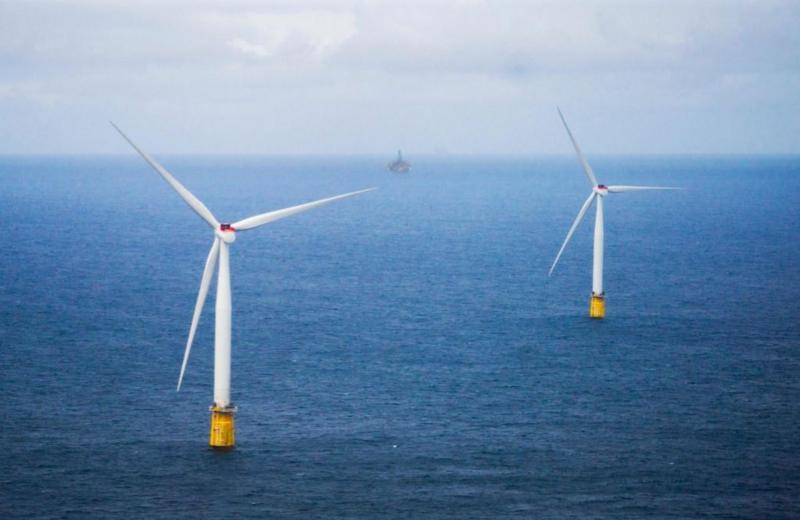
UK to join major wind farm project with nine European countries
Summary
The UK will join nine European countries in a project to create offshore wind farms in the North Sea, with plans to connect them to multiple countries using undersea cables called interconnectors. This initiative aims to strengthen energy security and reduce costs. The project is expected to be completed by 2050.Key Facts
- The UK will partner with nine European countries, including Norway, Germany, and the Netherlands, on offshore wind farms.
- The wind farms will use undersea cables, known as interconnectors, to link to multiple countries, which could lower regional electricity prices.
- This project aims to improve energy security by reducing reliance on fossil fuels.
- The UK Energy Secretary plans to sign a declaration in Hamburg, Germany, to commit to completing the project by 2050.
- There are concerns about the impact of wind farm operators selling power to the highest bidder, potentially increasing electricity prices when supply is low.
- The UK already uses 10 undersea interconnectors to link its electricity grid with Europe, which has saved UK consumers £1.6 billion since 2023.
- Norway has some restrictions on electricity exports during domestic shortages and refused an interconnector with Scotland.
- The project is part of a broader goal by North Sea countries to build 300 gigawatts (GW) of offshore wind capacity, with 100GW to be built jointly.
Read the Full Article
This is a fact-based summary from The Actual News. Click below to read the complete story directly from the original source.