Summary
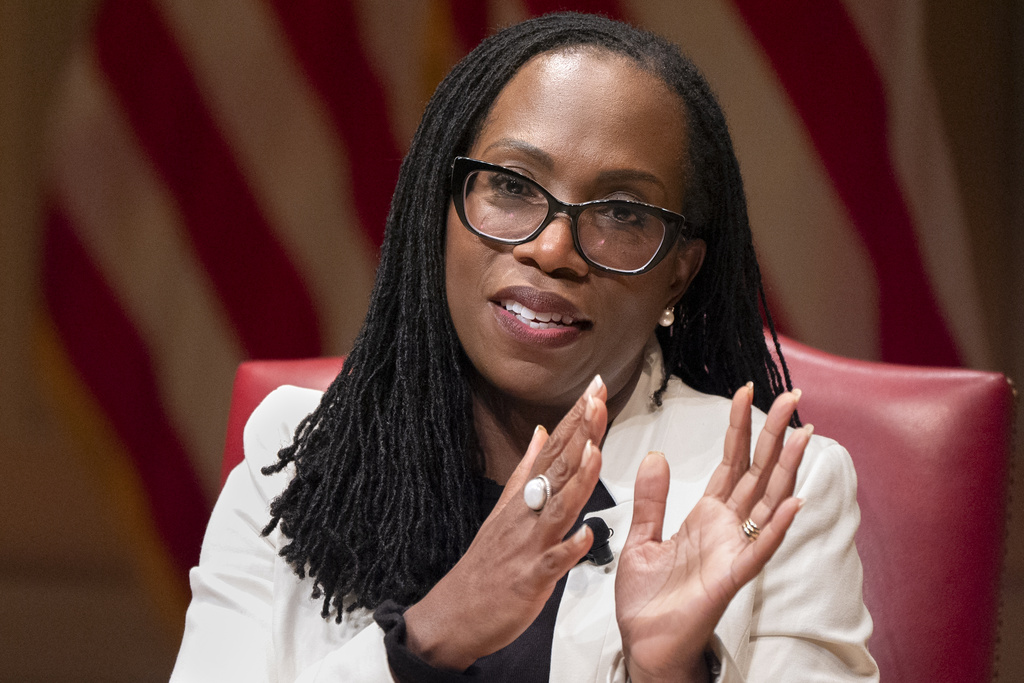
The U.S. Supreme Court reversed a lower court's decision to grant a new trial to a man convicted of the attempted murder of his girlfriend. Justice Ketanji Brown Jackson disagreed with the majority decision, suggesting she would not have taken up the case. The decision involves the application of a federal law related to prisoner appeals.
Key Facts
- The Supreme Court decided against giving Charles Brandon Martin a new trial.
- Justice Ketanji Brown Jackson dissented from the Supreme Court's decision.
- The case involved the Antiterrorism and Effective Death Penalty Act of 1996.
- Martin was convicted of attempting to murder his girlfriend, Jodi Torok.
- Torok was found shot and unconscious, and evidence linked Martin to the crime.
- Martin argued his rights were violated because a forensic report was not disclosed.
- A lower court initially granted a new trial, but higher courts reversed this decision.
- The Supreme Court ruled that the non-disclosure of the report did not change the verdict's fairness.