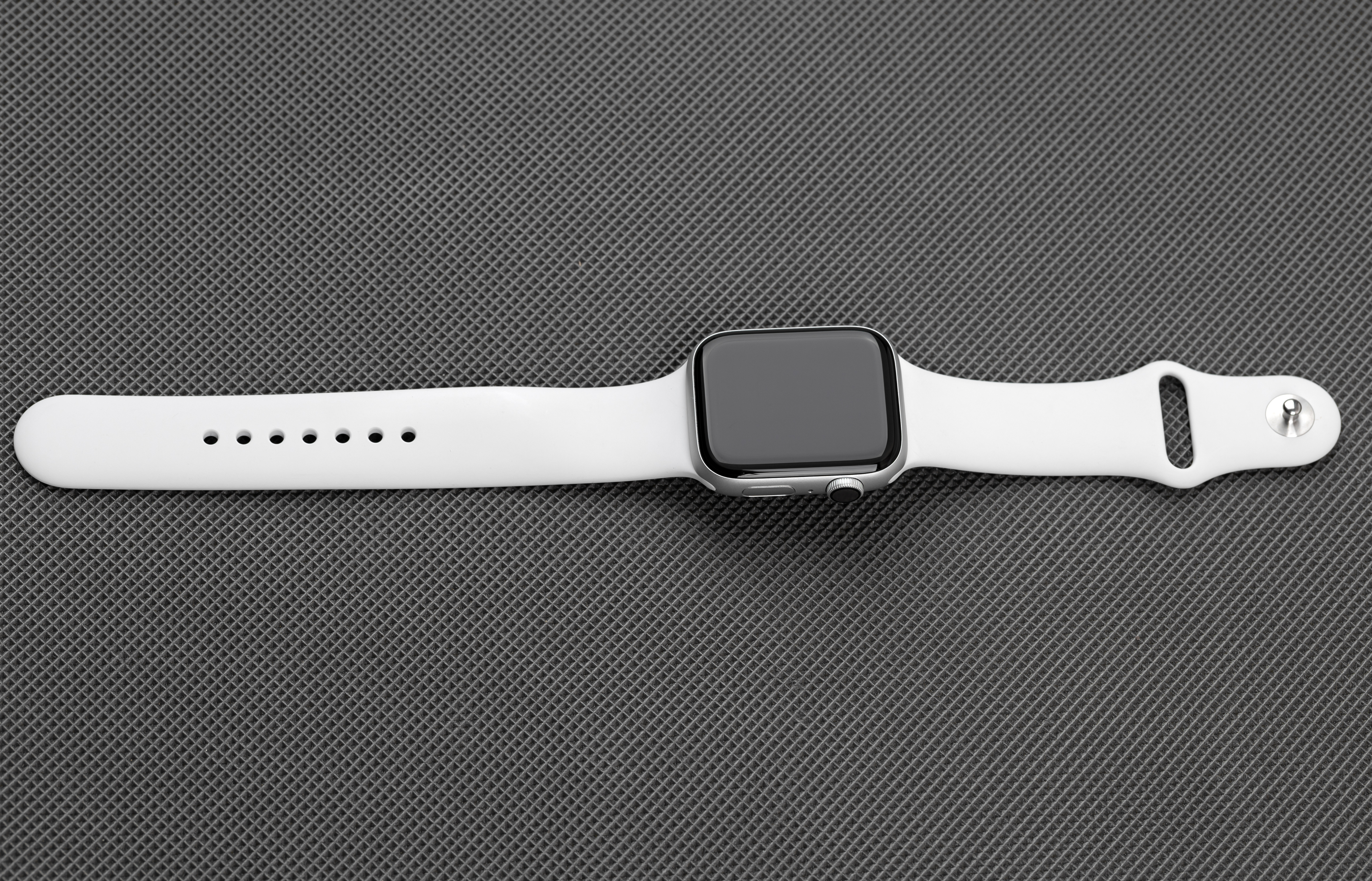
Columnist Tests ChatGPT Health With Personal Data on Apple Watch—Results Are Disturbing
Summary
A columnist for The Washington Post tested ChatGPT's ability to analyze Apple Watch health data and received incorrect and inconsistent results. The chatbot's health assessments conflicted with a doctor's real-life evaluation, raising concerns about relying on AI for medical advice.Key Facts
- A columnist used ChatGPT to analyze health data from an Apple Watch.
- ChatGPT initially graded the columnist's cardiovascular health as an "F," which later changed to a "C" and sometimes a "B."
- The columnist's doctor disagreed with ChatGPT's assessment, saying the columnist had a low risk for heart issues.
- Another doctor called the chatbot's mistakes "totally unacceptable."
- ChatGPT uses metrics like VO2 max and heart-rate variability, which can be unreliable.
- Critics warn users not to rely on AI over medical professionals for health evaluations.
- AI companies plan to keep developing health products but acknowledge they aren't replacements for clinical care.
Read the Full Article
This is a fact-based summary from The Actual News. Click below to read the complete story directly from the original source.