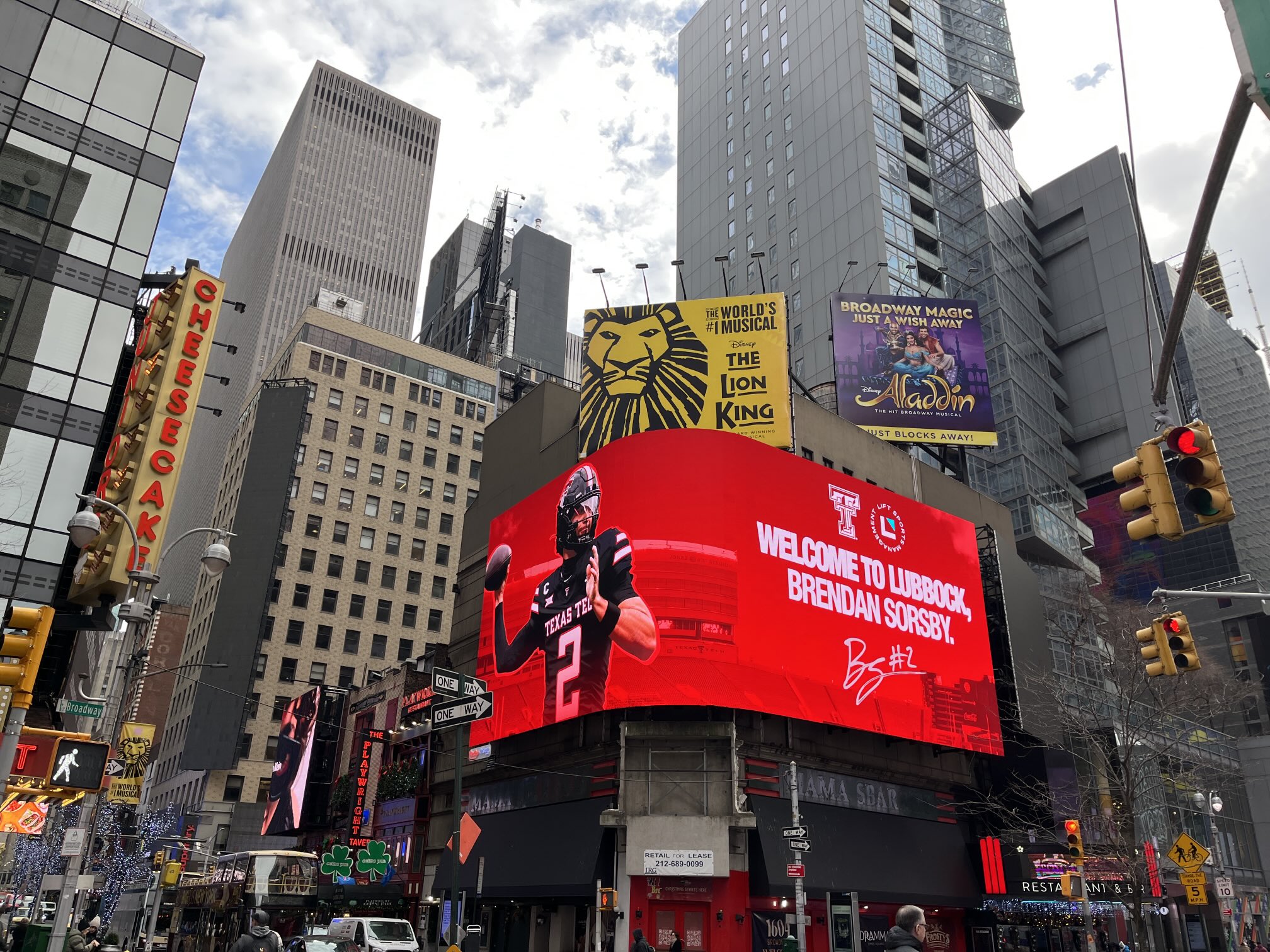
Exclusive: Inside the $45M NIL Team Trying to Save College Football's QBs
Summary
The NIL (Name, Image, and Likeness) policy started on July 1, 2021, allowing college athletes to earn money from sponsorships and endorsements. This change has significantly impacted college football, as athletes now navigate deals similar to those seen in the NFL. A team called LIFT Sports Management aims to support student-athletes financially and help them develop for future careers.Key Facts
- The NIL policy began on July 1, 2021, allowing college athletes to earn money from their name, image, and likeness.
- Quinn Ewers, a highly rated quarterback, was one of the first to benefit significantly from NIL opportunities.
- Ewers attracted sponsorship deals with big brands like EA Sports, Uber, and Hulu.
- The change has made college sports resemble a form of NFL free agency, with players moving between schools more freely.
- LIFT Sports Management, including figures like Ron Slavin and Rich Scangarello, focuses on helping athletes succeed financially and professionally.
- The organization aims to address the challenges quarterbacks face due to frequent transfers and financial pressures.
- The NIL policy has altered how college athletes and universities interact, emphasizing revenue generation from endorsements.
Read the Full Article
This is a fact-based summary from The Actual News. Click below to read the complete story directly from the original source.