Summary
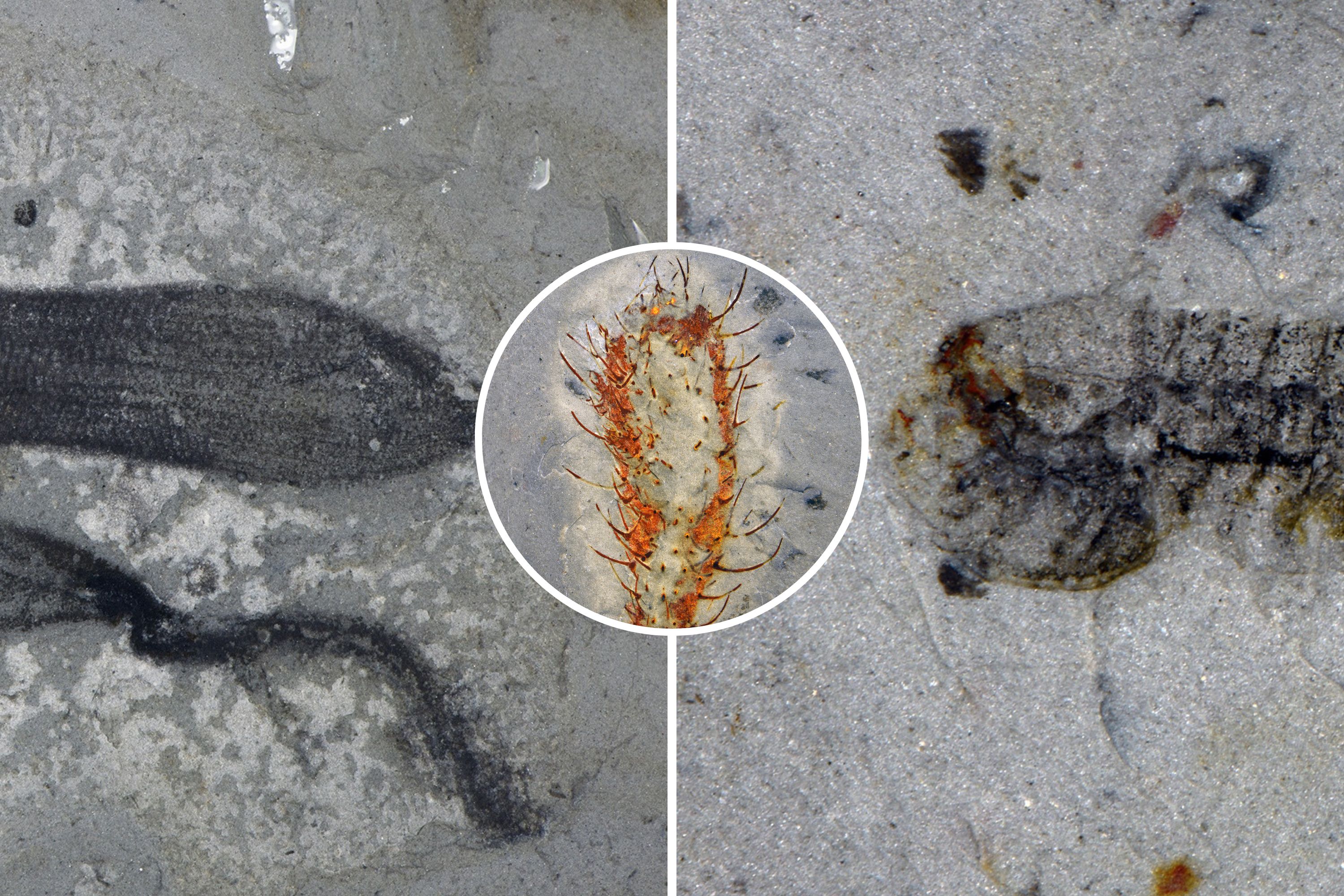
Scientists found 90 new species from 512 million years ago in a fossil-rich area in southern China. These fossils provide new insights into life after a major extinction event known as the Sinsk event. The discovery helps researchers understand how ancient species were distributed and survived in different environments.
Key Facts
- Researchers discovered fossils of 90 previously unknown species in southern China.
- The site, called the Huayuan biota, contains 153 species from 16 major animal groups.
- These species lived around 512 million years ago, after a major extinction event.
- The extinction event, called the Sinsk event, happened 513.5 million years ago due to low oxygen in the oceans.
- The fossils give clues about the Cambrian period, a time of rapid evolution known as the "Cambrian explosion."
- The findings suggest deep-water areas were less affected by the extinction and may have sheltered surviving species.
- The new fossil site helps link ancient marine life to other regions like North America.