Summary
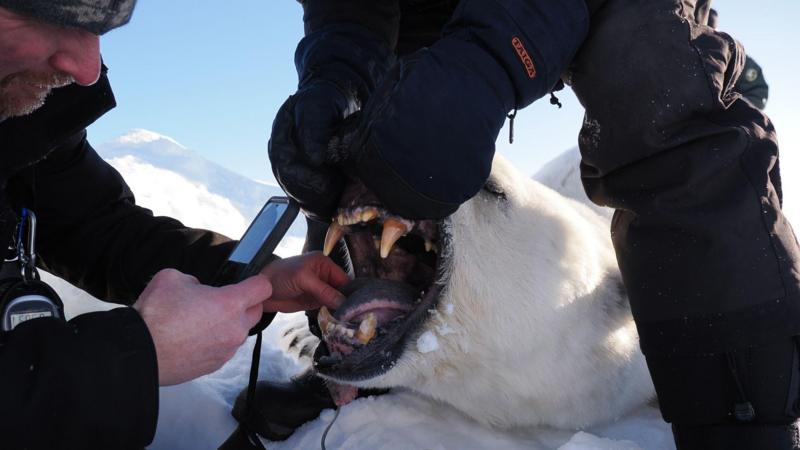
Polar bears in the Svalbard region of Norway are healthier and heavier, despite less sea ice due to climate change. Researchers found bears adapting by eating more land-based food like reindeer and walruses. While current bear conditions are good, ongoing ice loss poses future challenges.
Key Facts
- Polar bears in Svalbard have become fatter and healthier since the 1990s.
- Researchers studied 770 polar bears between 1992 and 2019.
- Sea ice in Svalbard has been decreasing steadily due to climate change.
- Bears are adapting by eating more land animals such as reindeer and walruses.
- Walrus numbers have increased since they were protected in the 1950s.
- The number of ice-free days in Svalbard has increased by nearly 100 since the study began.
- The long-term survival of polar bears depends on adequate sea ice for hunting.
- Despite current benefits, continued ice loss may lead to challenges for these bears.