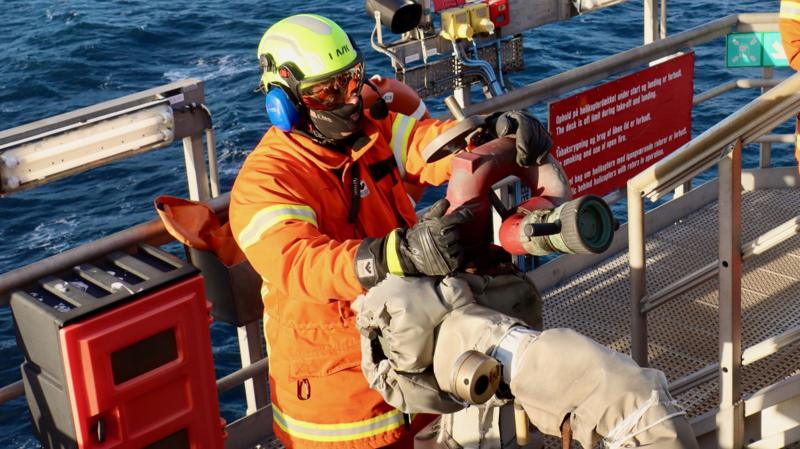
Visit the North Sea oil field used to store greenhouse gas
Summary
A former oil field in the North Sea is being repurposed to store carbon dioxide (CO2) as part of a project called Greensand Future. This initiative aims to capture and inject CO2 into the ground to help reduce carbon emissions, with plans for large-scale storage by 2030. The project is one of many in the North Sea region focusing on carbon capture and storage (CCS) to combat climate change.Key Facts
- The Greensand Future project will use an old oil field to store CO2 instead of extracting oil and gas.
- Ineos Energy leads the project, which will be the EU's first large-scale offshore CO2 storage site.
- The plan is to store 400,000 tonnes of CO2 this year, increasing to eight million tonnes annually by 2030.
- CCS is seen as a critical tool for reducing emissions and achieving net zero by 2050.
- Critics argue that CCS may discourage reducing CO2 emissions by other means and suggest alternative technologies like wind and solar as cost-effective solutions.
- Hundreds of CCS projects are in development worldwide, especially in the North Sea region, due to existing infrastructure and geological knowledge.
- Norway's Northern Lights project began storing CO2 under the seabed in August, similar to future plans for the UK and Denmark.
Read the Full Article
This is a fact-based summary from The Actual News. Click below to read the complete story directly from the original source.