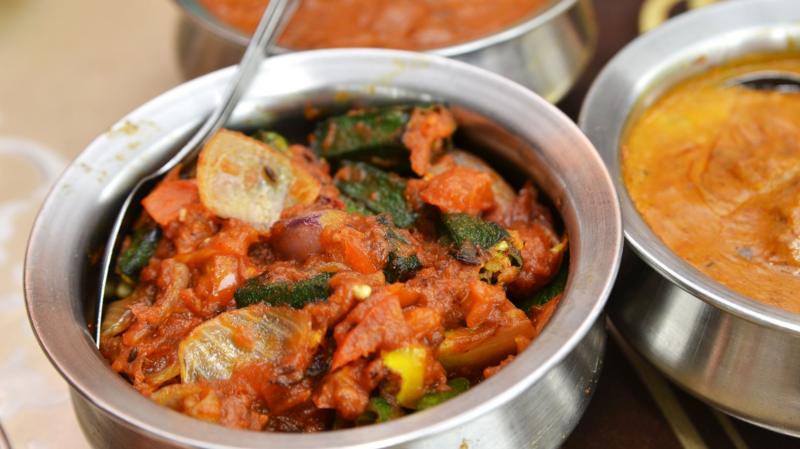
An ingredient for this curry is missing - and in eight minutes, it's at the door
Summary
In major Indian cities like Delhi, quick-delivery apps can provide groceries and other items in minutes. These deliveries come from small, local warehouses called "dark stores", allowing for fast turnaround times. The process involves efficient picking, packing, and delivery to meet customer demands swiftly.Key Facts
- Quick-delivery apps allow people in Delhi and other large cities in India to receive items like groceries in a few minutes.
- Companies use "dark stores," which are small storage units located close to customers.
- These stores are organized for fast item picking rather than customer browsing.
- The process is designed to be efficient, with workers picking and packing items rapidly as soon as orders come in.
- Delivery riders aim to complete deliveries quickly, often using local landmarks to find addresses due to complex urban layouts.
- The gig economy supports this system, with riders like Muhammad Faiyaz Alam working to complete around 40 deliveries a day.
- Earnings for riders can vary based on the number of orders, distance, and incentives from the app.
Read the Full Article
This is a fact-based summary from The Actual News. Click below to read the complete story directly from the original source.