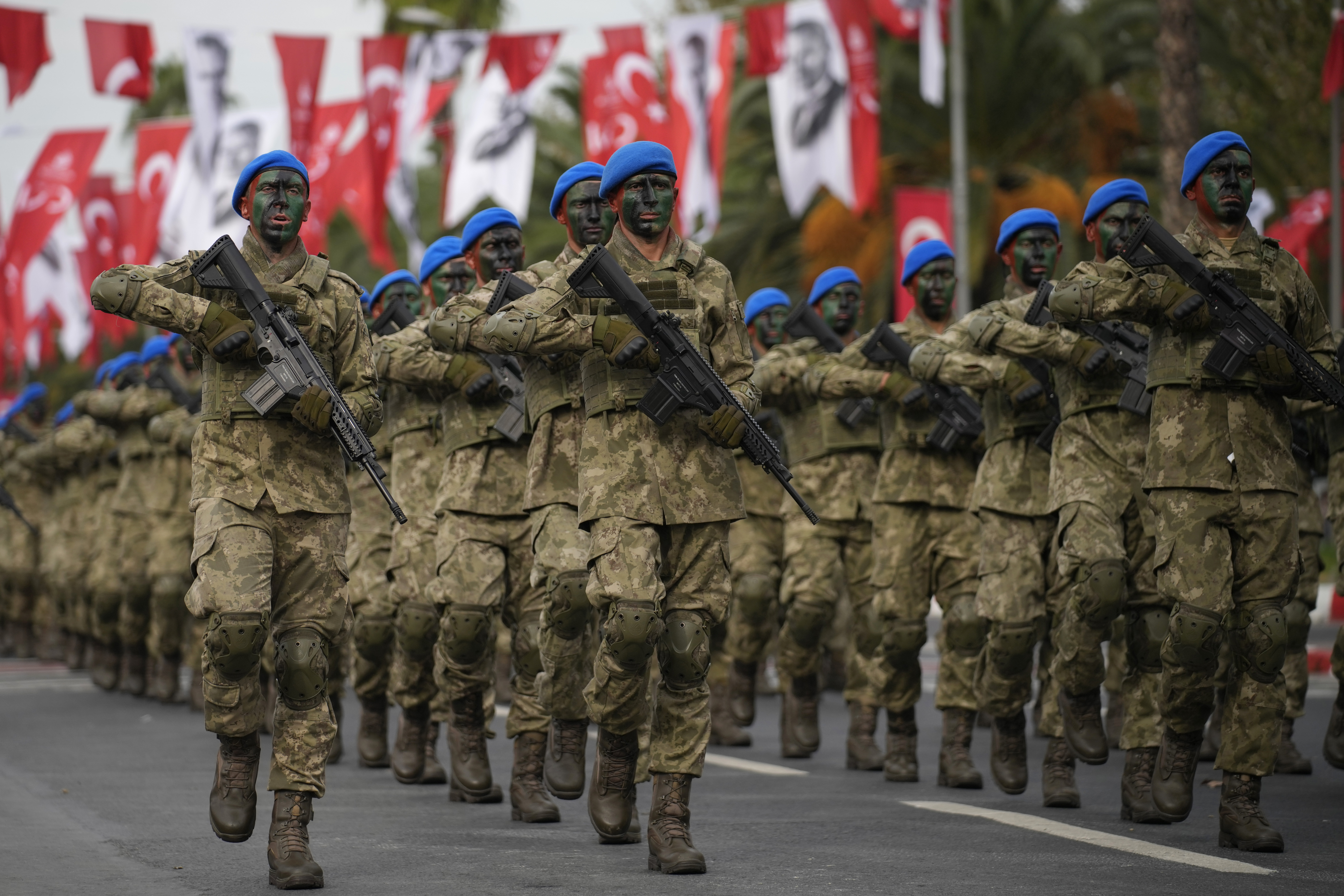
NATO Has a Birth Rate Problem
Summary
Birth rates in Türkiye are falling, and this is creating concerns for NATO because a lower birth rate can impact future military and economic strengths. Many NATO countries are experiencing similar demographic challenges as populations age, which may increase social costs and decrease available funds for defense. NATO countries are also trying to balance investments in technology and personnel due to these demographic shifts.Key Facts
- Birth rates in Türkiye have dropped from 2.1 births per woman in 2016 to 1.48, as reported by the Turkish Statistical Institute.
- A total fertility rate (TFR) of 2.1 is needed to maintain a stable population without immigration.
- Many NATO countries are experiencing low birth rates and aging populations.
- An aging population in the European Union comprised 21.6% of people aged 65 and over in 2024.
- NATO members, including Türkiye, face increased defense spending due to global tensions, with a goal of committing 5% of GDP to defense by 2035.
- Technological advancements like AI and robotics are expected to help with the challenges of shrinking military forces.
- Increased social spending on pensions and health care may divert funds away from defense.
- NATO countries may need to rely on private sector innovation for military technologies.
Read the Full Article
This is a fact-based summary from The Actual News. Click below to read the complete story directly from the original source.