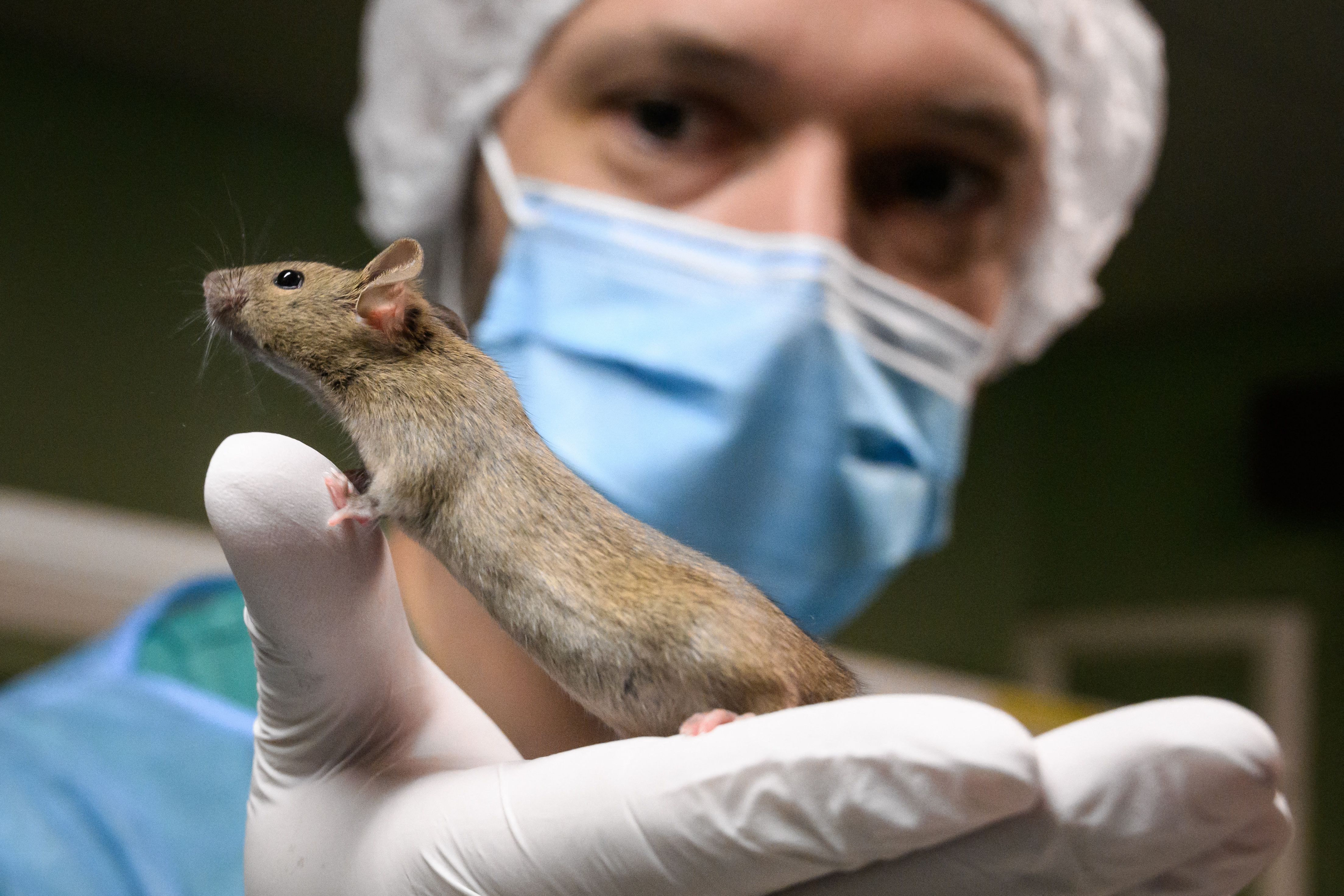
Ketogenic Diet’s Hidden Risks Named in Mouse Study
Summary
A study conducted with mice suggests that a long-term ketogenic diet, high in fat and low in carbohydrates, may lead to health problems. Although mice on this diet gained less weight, they developed fatty liver disease and had issues with blood sugar regulation.Key Facts
- Researchers from the University of Utah Health conducted a study using mice on different diets, including a ketogenic diet.
- The ketogenic diet is high in fat, low in carbohydrates, and is meant to burn fat by inducing a state called ketosis.
- Mice on the ketogenic diet had less weight gain compared to those on other diets.
- Despite weight loss, these mice developed fatty liver disease and problems managing blood sugar and insulin.
- Male mice showed more severe liver issues than female mice under the ketogenic diet.
- Findings from mouse studies do not always apply to humans, but they suggest potential risks for long-term ketogenic diet use in people.
- Lead researcher suggests consulting a healthcare provider before starting a ketogenic diet to understand potential long-term effects.
Read the Full Article
This is a fact-based summary from The Actual News. Click below to read the complete story directly from the original source.