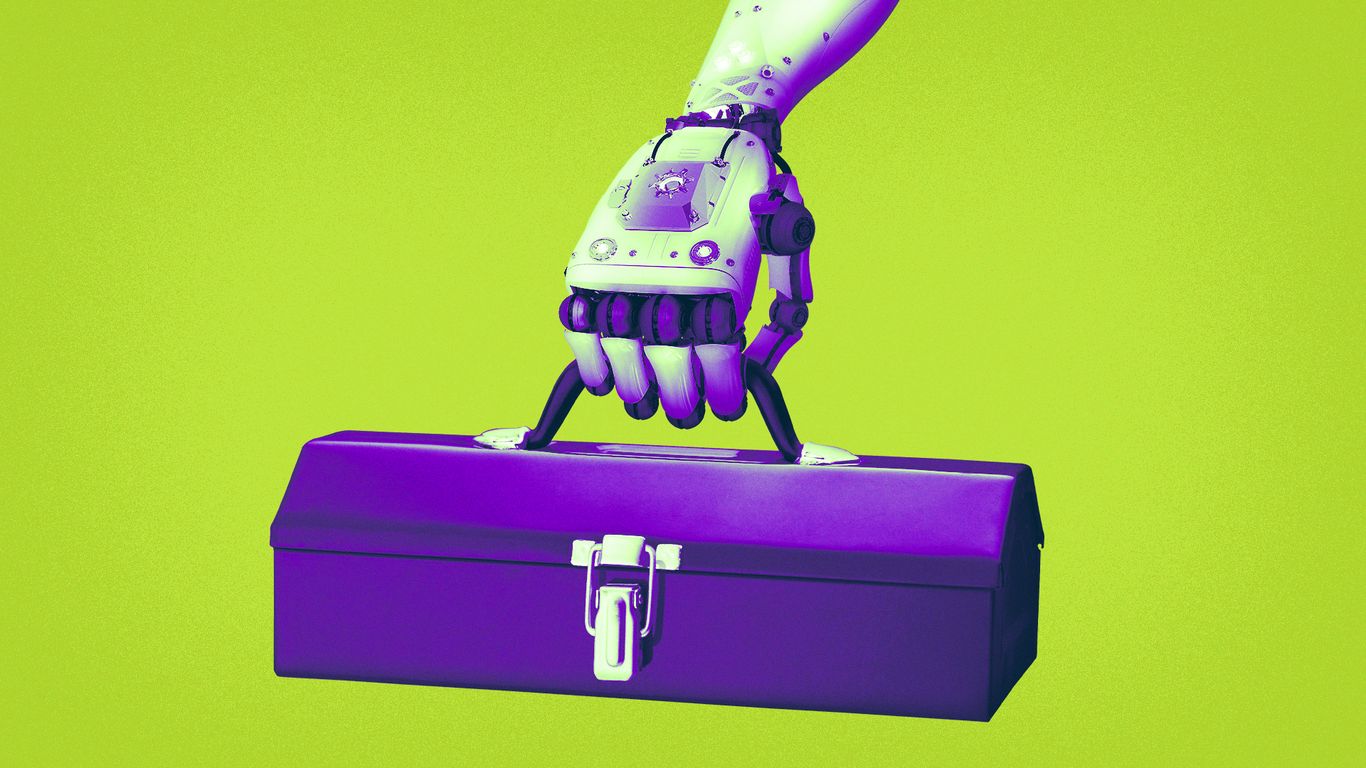
Investors are betting on robots to replace blue collar workers
Summary
AI companies are securing large investments to create software for robots that could perform tasks in various blue-collar industries. These robots might replace human workers in fields like construction and plumbing by using AI to adapt to real-world situations. Although there is excitement about the possibilities, the impact on jobs is still uncertain.Key Facts
- AI startups are getting billions in funding to build technology for robots that can work in industries like construction and energy.
- These robots could perform tasks such as plumbing, electrical work, and welding.
- Different companies are using various methods to train AI, including real-world data and simulated models.
- Waabi, a Toronto-based company, raised up to $1 billion to focus on self-driving vehicles.
- Skild AI, based in Pittsburgh, recently raised about $1.4 billion to develop flexible robot technology.
- FieldAI raised nearly $400 million, aiming to serve demanding industries like energy with robots.
- The full effect on blue-collar jobs is not clear, as the technology may be costly to implement despite its potential efficiency.
- Experts debate whether AI will lead to overall job losses or create new job opportunities.
Read the Full Article
This is a fact-based summary from The Actual News. Click below to read the complete story directly from the original source.