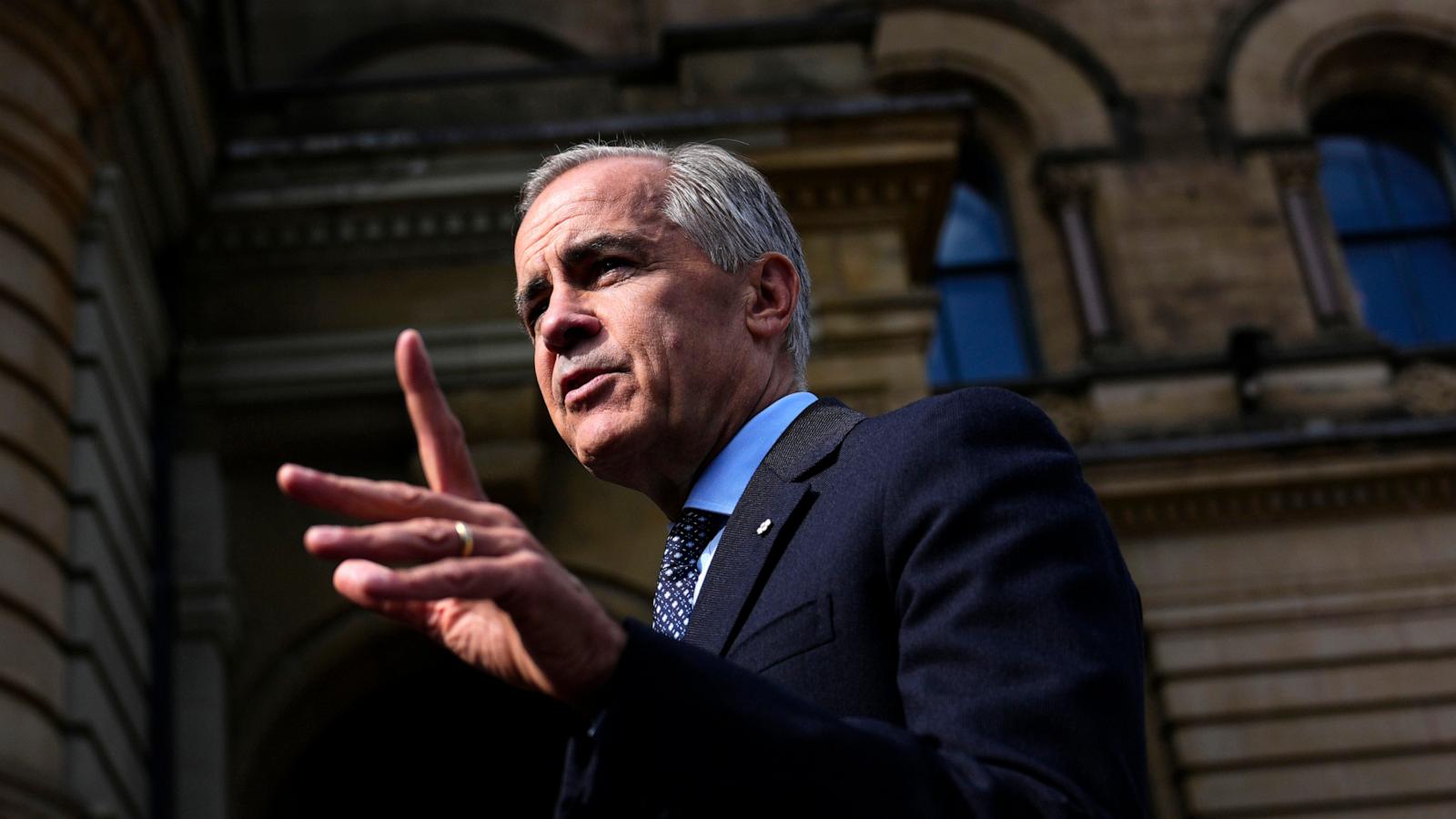
Japan votes in election seen as key test for Prime Minister Shigeru Ishiba
Summary
Japanese voters are participating in an upper house election, which serves as a test for Prime Minister Shigeru Ishiba and his ruling coalition. Key election issues include the cost of living, population decline, and foreign policy, with outcomes potentially affecting Ishiba's political future. The election may result in losses for Ishiba's coalition and gains for smaller opposition parties advocating for different policies.Key Facts
- Japan's upper house election tests Prime Minister Shigeru Ishiba's popularity.
- Polls opened nationwide at 7 am and will close at 8 pm in most locations.
- The cost of living, especially rice prices, is a major issue for voters.
- Ishiba's coalition needs 50 seats to maintain control of the upper house.
- A poor election result won't immediately change the government but could affect Ishiba's standing.
- Smaller opposition parties are expected to gain, campaigning for tax cuts and public spending.
- Over 20% of voters cast their ballots early, a higher rate than previous years.
- Ishiba became prime minister last September and immediately faced election challenges.
Read the Full Article
This is a fact-based summary from The Actual News. Click below to read the complete story directly from the original source.