Physicists Get a Peek at How Matter Is Born From ‘Nothing’
Summary
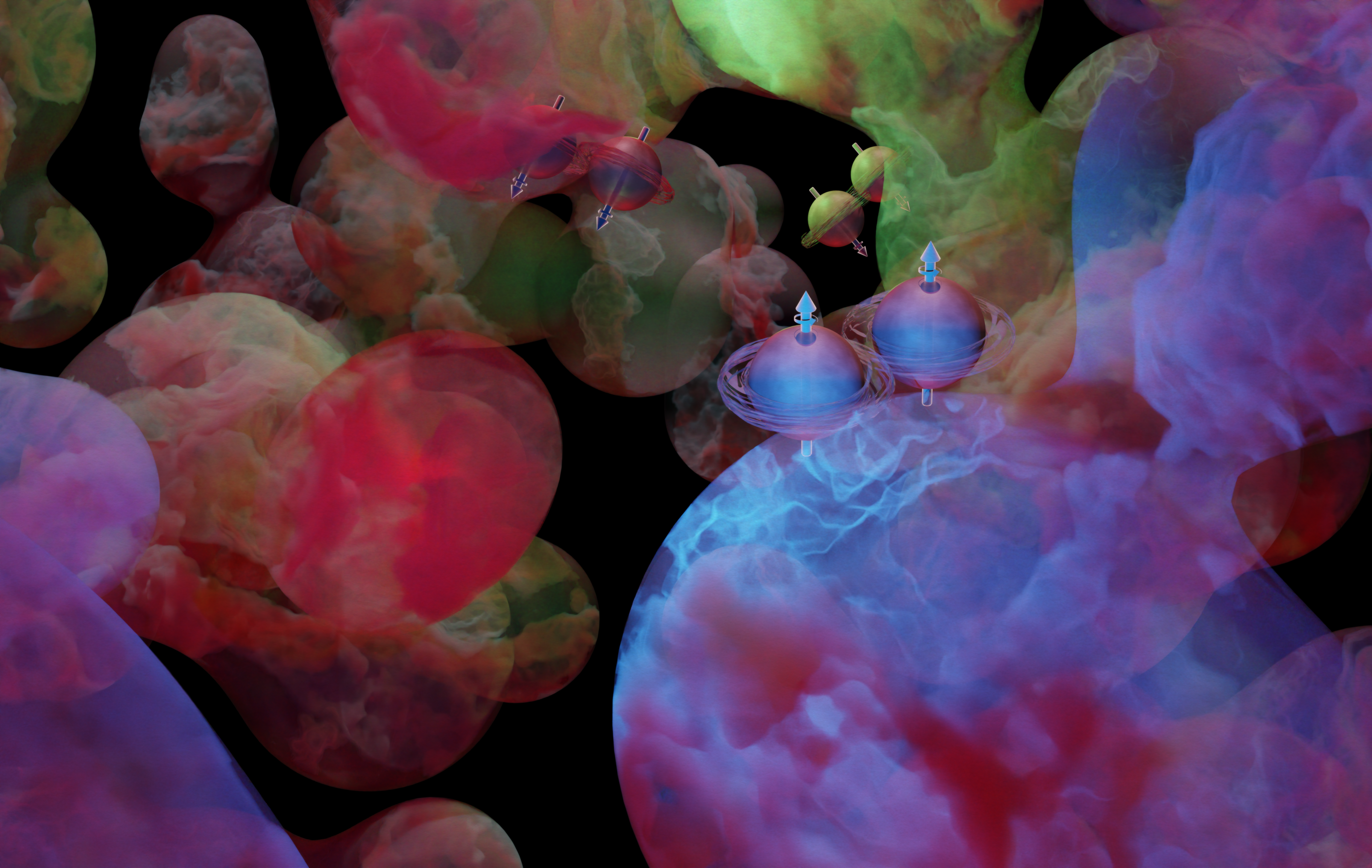
Physicists at Brookhaven National Laboratory in New York have studied how matter can form from what appears to be "nothing" in a vacuum. They discovered that during high-energy collisions, some particles keep certain properties related to their origin in the vacuum. This work provides new insights into how visible matter forms in the universe.Key Facts
- Scientists conducted research at the Relativistic Heavy Ion Collider (RHIC) in New York.
- They looked at high-energy collisions of subatomic particles.
- The study focused on particles called "lambda hyperons" and their antimatter versions, "antilambdas."
- Researchers found that these particles' spin is aligned, suggesting a connection to the vacuum from which they came.
- In general, quantum vacuum is not empty; it contains fluctuating energy fields that can briefly form particles and their antimatter pairs.
- The RHIC provides enough energy for some virtual particles to become real particles.
- This study offers new insights into the quantum vacuum, a concept where energy and matter can momentarily appear and disappear.
Read the Full Article
This is a fact-based summary from The Actual News. Click below to read the complete story directly from the original source.