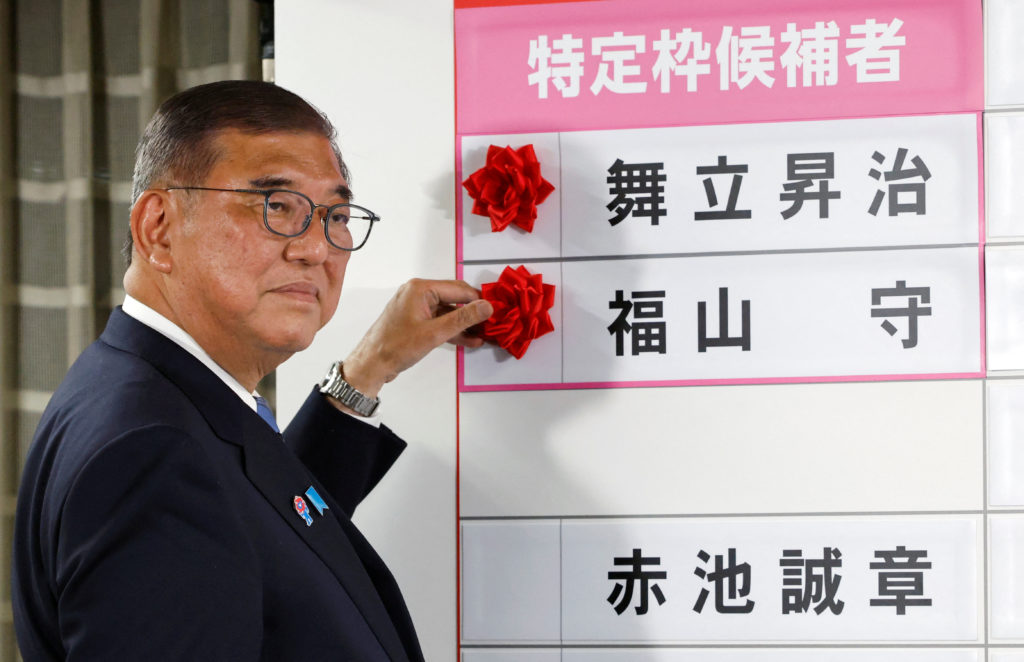
Prime Minister Ishiba’s coalition loses majority in Japan’s upper house election
Summary
Prime Minister Shigeru Ishiba's coalition in Japan did not gain enough seats to have a majority in the upper house of parliament. Despite this, Ishiba plans to remain in leadership to address issues like price increases and trade tensions with the U.S. The coalition's loss adds to political instability in Japan since they also lost a majority in the lower house earlier.Key Facts
- The ruling coalition needed 50 seats to reach a majority in the upper house but won only 46 seats.
- This is the first time the Liberal Democratic Party (LDP) lost a majority in both houses since its start in 1955.
- Despite the loss, the LDP is still the largest party in the parliament.
- Economic issues like rising prices and low incomes are major voter concerns.
- U.S. trade tensions, including potential tariffs, add pressure on Japan's government.
- Ishiba's government has faced challenges due to past corruption scandals and making deals with the opposition.
- New populist parties are gaining attention with strong nationalistic policies.
- The upper house cannot force a government change, but political uncertainty remains.
Read the Full Article
This is a fact-based summary from The Actual News. Click below to read the complete story directly from the original source.