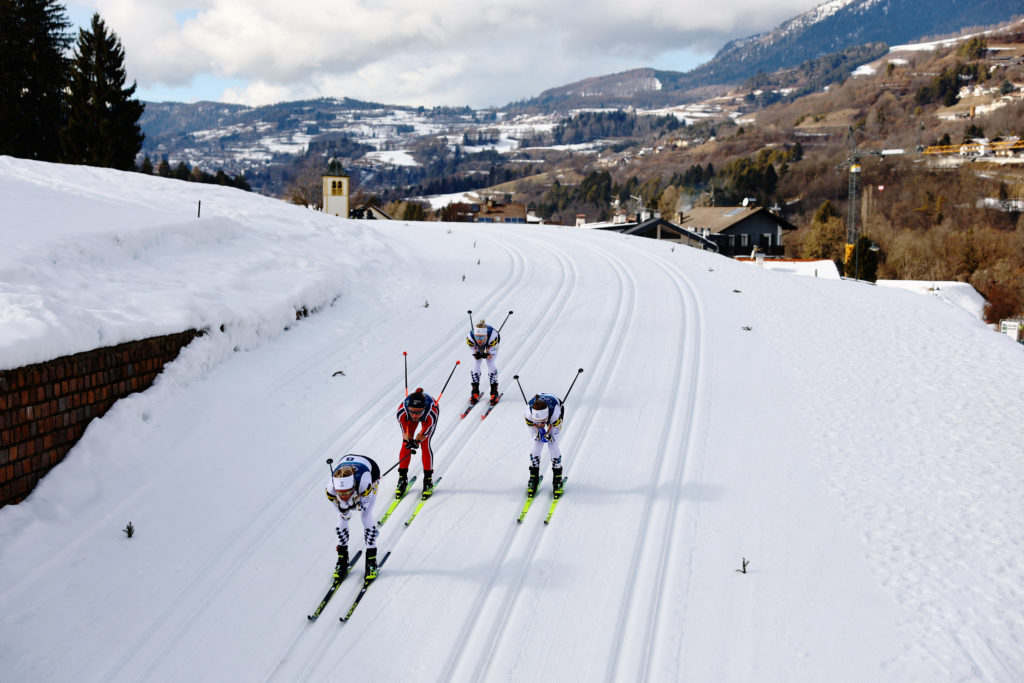
Olympians and scientists explain how machine-made snow makes ski racing faster and riskier
Summary
During the 2026 Winter Olympics, athletes are competing on both natural and machine-made snow. Machine-made snow creates faster and riskier surfaces for ski races compared to natural snow. This change affects athletes' training and the competition itself.Key Facts
- The 2026 Winter Olympics are using both natural and machine-made snow for skiing events.
- Cross-country skier Rosie Brennan notes that most races occur on machine-made snow.
- Machine-made snow is icier and carries more risk than natural snow.
- Warmer winters and less snowfall have led to increased reliance on artificial snow for winter sports.
- In Beijing 2022, the Winter Olympics heavily relied on machine-made snow for many events.
- Natural snow offers various textures, while artificial snow is more uniform and hardens when frozen.
- Snow guns make machine-made snow by shooting water mixed with compressed air into cold air, creating ice particles.
Read the Full Article
This is a fact-based summary from The Actual News. Click below to read the complete story directly from the original source.