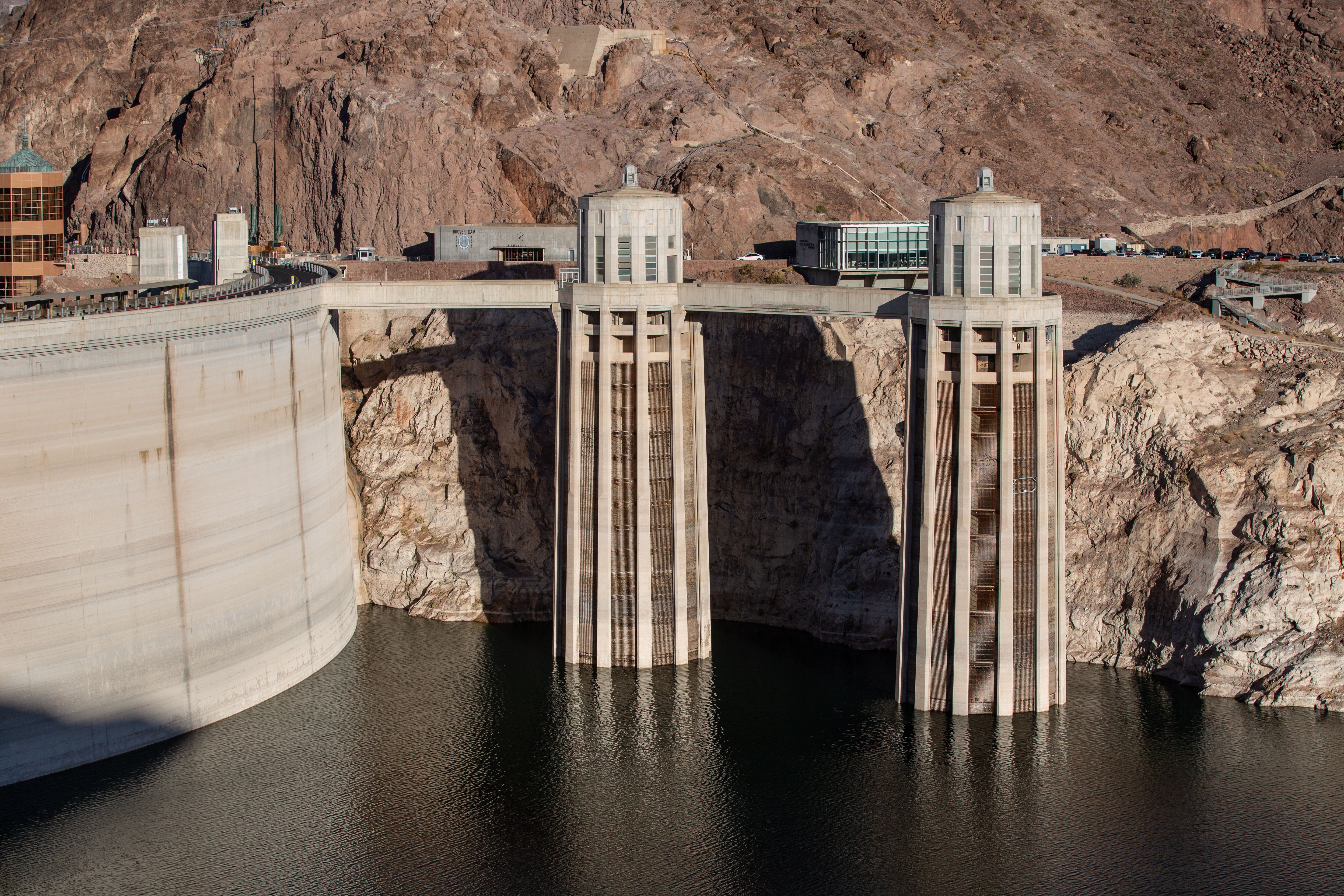
Warming Lake Mead Water Raises Alarm: ‘Big Problem for the West’
Summary
Rising water temperatures in Lake Mead are causing issues for water treatment systems in southern Nevada and could affect hydropower at the Hoover Dam. The warming is part of broader climate changes affecting the Colorado River system, which is critical for water supply and power to the western United States. Experts warn that continued heat could lead to significant water management challenges.Key Facts
- Lake Mead's water temperature is increasing due to prolonged drought and climate change.
- The Colorado River system provides water to about 40 million people and supports over 5 million acres of farmland.
- The water inflow to Lake Mead is expected to be at least 10.8 degrees Fahrenheit hotter by fall's end.
- Warmer water can reduce the effectiveness of ozone systems used for water treatment.
- Hoover Dam relies on cooler Lake Mead water to cool its hydropower turbines.
- Operations at Hoover Dam might be disrupted if water temperatures stay above 78.8 degrees Fahrenheit for three or more days.
- A 1922 agreement on Colorado River water sharing among seven states could be breached by 2026 due to declining water levels.
- Lake Mead's water level might fall to lower than recorded in recent years, with significant implications for water management.
Read the Full Article
This is a fact-based summary from The Actual News. Click below to read the complete story directly from the original source.
